Quick answer
- Worth the core week: Bora Bora, Raiatea & Taha’a, and Moorea — the Society Islands, with short 25 to 50 nautical-mile hops between protected lagoons.
- Worth a longer charter: the Tuamotu atolls (Fakarava, Rangiroa) for the best diving and the quietest anchorages — but you need 10 days or more.
- Only for the right boat: the Marquesas mean long, exposed passages — charter a motor yacht with real range, not a catamaran built for lagoons.
- Best months: May to October, the dry season, for steady southeast trades, lower humidity and the firmest itineraries.
- Vessel fit: shallow-draft catamarans dominate the Society Islands; motor yachts open up the Tuamotus and Marquesas in more comfort.
- Check first: confirm the yacht holds a valid French Polynesia charter licence before you commit — this is where bookings go wrong.
For most first-time charter guests, build the trip around the Society Islands — Bora Bora, Raiatea, Taha’a and Moorea — and add the Tuamotu atolls if you have 10 days or more. That gives you the iconic lagoons, short passages and the calm anchorages people picture when they imagine French Polynesia. We only steer guests toward the Marquesas when they have time, sea legs, and a yacht built for open water.
The mistake we see is treating French Polynesia as one destination. It is 118 islands spread across several archipelagos, and the experiences are radically different. The Society Islands are lagoon cruising. The Tuamotus are diving and isolation. The Marquesas are raw, mountainous and exposed. You cannot do all three well in a single week, and trying to is the fastest way to spend your charter motoring instead of swimming.
 Marcelle Hailwax, Charter Broker at DMA Yachting
The lay of the land
What each archipelago actually delivers
The archipelagos are not interchangeable, and the brochures rarely make that clear. Here is how they really break down for a crewed charter, and who each one suits.
| Archipelago | Best for | Not ideal for | Time needed |
|---|---|---|---|
| Society Islands (Bora Bora, Raiatea, Taha’a, Moorea) | First-timers, lagoon cruising, short hops, families | Guests chasing total isolation | 7 days |
| Tuamotus (Fakarava, Rangiroa) | Serious divers, quiet anchorages, motu beach days | Short charters, nervous open-water guests | 10+ days |
| Marquesas | Dramatic landscapes, hiking, repeat visitors | Lagoon swimmers, catamaran charters, tight schedules | 14+ days |


The Society Islands: where most charters belong
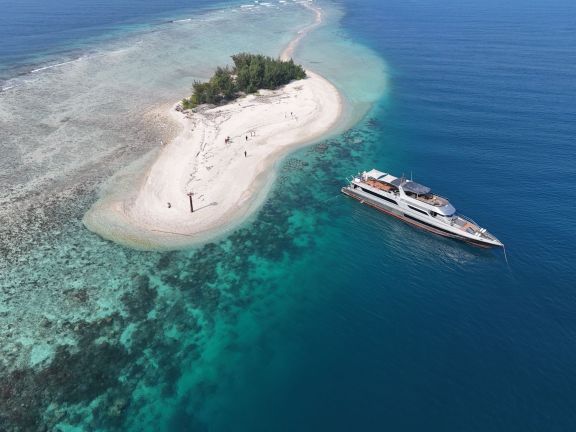
If this is your first French Polynesia charter, start here and don’t overthink it. The Society Islands give you the volcanic peaks, the reef-protected lagoons and the colour you came for, with passages of just 25 to 50 nautical miles between islands. That means short crossings, calm anchorages and far more time in the water than under way.
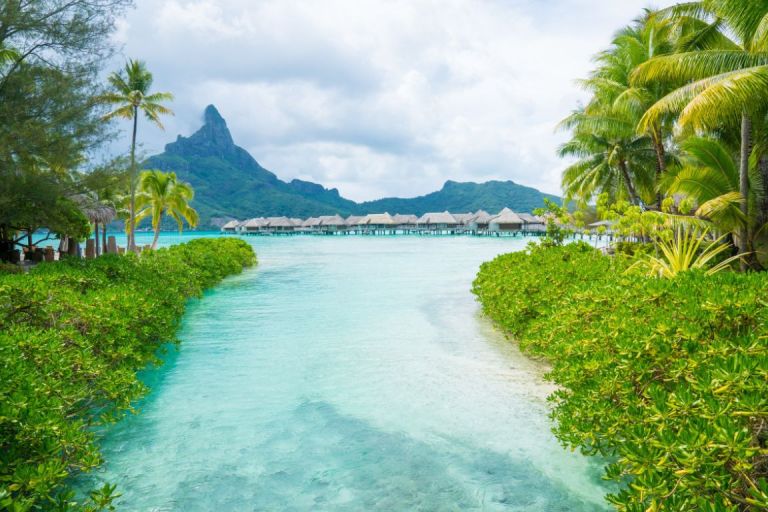
Bora Bora is the obvious centrepiece — Mount Otemanu rising out of a turquoise lagoon — and it earns its reputation. But the quieter wins are Taha’a, with its vanilla plantations and coral garden snorkelling, and Raiatea, the historic heart of Polynesia and the region’s major catamaran base. The two share a single lagoon, so you can move between them without leaving protected water.
This is the classic French Polynesia charter experience, and for good reason — the logistics are forgiving, the embarkation is straightforward, and a week here never feels rushed.
 Louis Lamprell, Charter Broker, Active CYBA Member at DMA Yachting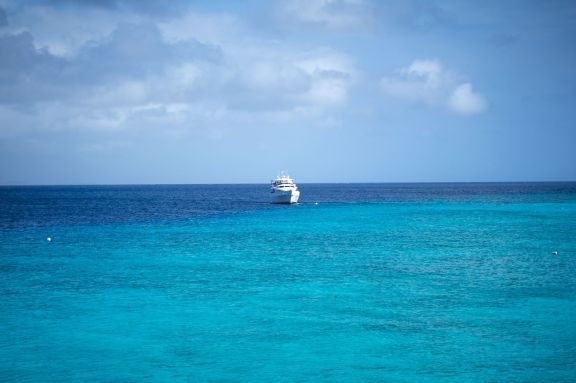
The Tuamotus: worth it if you have the days
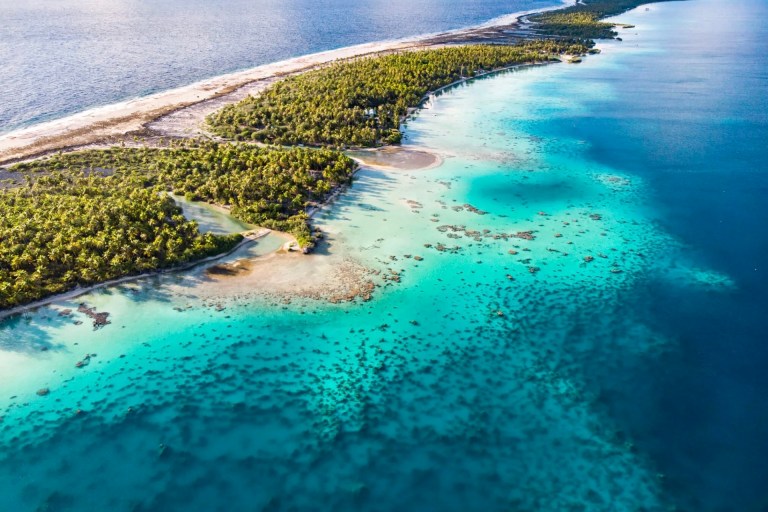
The Tuamotu Archipelago is 76 atolls spread over 20,000 square kilometres, and it delivers what the Society Islands cannot: genuine isolation and some of the best diving on the planet. This is where the quiet hours of a charter happen — long lagoon swims, private beach setups on empty motus, and pass dives among grey reef sharks.
Fakarava is a UNESCO biosphere reserve and the standout, with its famous southern pass and dense marine life. Rangiroa, one of the largest atolls in the world, offers drift dives through the Tiputa pass where dolphins ride the current. Both reward a yacht that can carry serious dive kit and a competent tender operation.
If diving is the reason you’re chartering at all, prioritise a vessel set up for it. Browse charter yachts with scuba diving onboard rather than assuming every boat carries compressors and a dive guide — many in the lagoon fleet do not.

The Marquesas: only for the right trip and the right boat
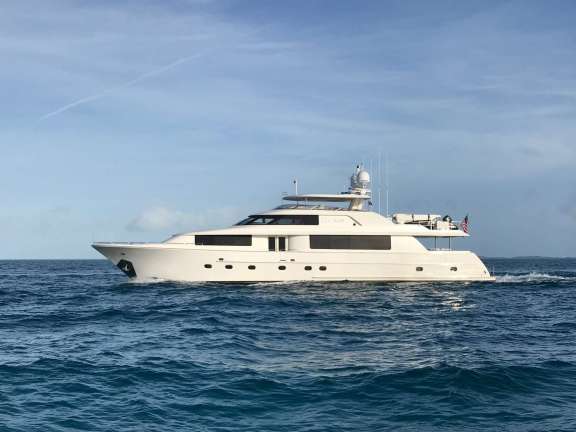
The Marquesas are extraordinary — jagged volcanic islands, deep valleys, no protective reef — but they are not a lagoon-cruising destination, and we would not build a first charter around them. The passages are long and the coastlines are exposed. This is a place that rewards a motor yacht with real range and comfort, not a catamaran designed for sheltered water.
We recommend the Marquesas for repeat French Polynesia guests, for travellers who hike and want landscape over swimming, and only on charters of 14 days or more. If that’s not your trip, you’ll get more pleasure and more swim time from a Society Islands and Tuamotus combination.
 John Boullin, Charter Broker at DMA Yachting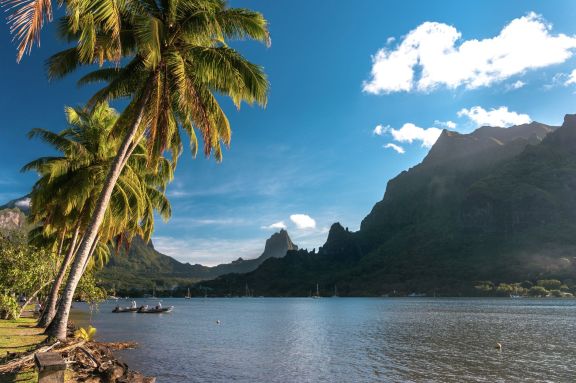
When to charter: go May to October
The dry season — May to October, the Austral winter — is the prime charter window. You get consistent southeast trade winds, lower humidity, minimal rainfall and comfortable temperatures around 24 to 28°C. Itineraries firm up because the weather cooperates, and crossings between the Society Islands stay easy.
June to August is the peak: the most reliable conditions, but also the highest rates and the boats booked furthest ahead. The wet season runs November to April — warmer, more humid, more rain, and a real cyclone risk from December to March. Rates fall in those months, but we don’t recommend planning a flagship charter around that window. The weather is genuinely less reliable, not just marketing caution.
Catamaran or motor yacht? Match the boat to the islands
Unlike the Maldives, sailing and power catamarans are common and well supported in French Polynesia — Raiatea is a major catamaran base. That’s not a compromise here; it’s the right tool. Catamarans have the shallow draft you need for lagoon passes and atoll anchorages, plus the stability and indoor-outdoor living that suits the Society Islands.
For the Society Islands and a comfortable Tuamotus add-on, a crewed catamaran or power catamaran is our default recommendation. For the Marquesas, or for guests who want full superyacht service and range, a motor yacht is the better call.
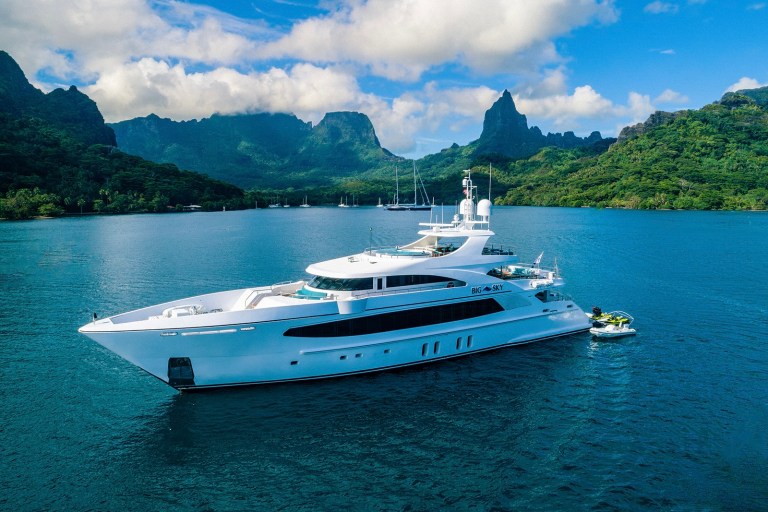
At the larger end, expedition and full-service motor yachts give you the range and comfort for longer, more exposed passages — vessels in this class have moved through the South Pacific and suit the kind of two-week Marquesas itinerary a catamaran can’t carry off. Tell us your group size and dates and we’ll match you to the boats genuinely available and licensed for your window, rather than what looks good on a brochure.
Catamarans in our Tahiti fleet currently run from roughly $29,000 to $96,000 per week in base rate, while motor yachts span $25,000 to $420,000 — a wide band that comes down to size, season and crew. If you’re working to a number, our yachts under $100k and yachts under $250k lists are the clearest place to start.
The cost reality and the licence trap
Two things catch first-time charter clients out in French Polynesia: the true all-in cost, and the charter licence. Both are avoidable with the right preparation.
On cost, the advertised base rate is not the bill. Expect a total of roughly 145 to 155% of the base rate once you add the 5% French Polynesia charter tax, the Advanced Provisioning Allowance — about 30 to 35% on motor yachts, 20 to 25% on sailing yachts — and crew gratuity of 10 to 15%. The APA covers fuel, food, drinks and harbour fees; what’s unspent comes back to you. Note that fuel used while chartering is fully taxed, so a long Marquesas itinerary carries a meaningfully higher fuel line than a tight lagoon week.
One detail worth planning for: on-the-ground expenses in French Polynesia are paid in Pacific Francs (XPF), and mooring fees run roughly $1 to $3 per foot depending on whether you’re on a monohull or a catamaran. None of this is a dealbreaker — it just shouldn’t surprise you on day one.
What a crewed yacht unlocks that a resort can’t
The reason to charter rather than book an overwater bungalow is mobility and privacy. A bungalow at the Four Seasons Bora Bora runs $1,000 to $3,000 a night and keeps you in one lagoon. A yacht moves with you — and the difference shows up in the parts of the trip you can’t book in advance.
- Private anchorages with no other guests, on empty Tuamotu motus you can’t reach from a resort
- Dive-tender access to passes like Fakarava south and Rangiroa’s Tiputa, timed to slack water
- A chef sourcing the day’s local seafood and provisioning to your group — a temporary specialist chef is often the best money a charterer spends
- The flexibility to chase good weather and skip a crowded mooring rather than being fixed to a hotel
If you’re weighing French Polynesia against other expedition-led regions, our best locations and itinerary guides are a useful next read — the same logic of matching boat, season and route applies whether you’re looking at the South Pacific, the Maldives or Alaska.
What we recommend
For most guests, charter the Society Islands on a crewed catamaran in the May to October dry season, and add the Tuamotus if you can give the trip 10 days or more. That combination delivers the lagoons, the diving and the quiet anchorages without spending half the charter under way.
Choose a motor yacht and the Marquesas only if you have two weeks, sea legs and a taste for dramatic landscape over swimming. And whatever you book, verify the charter licence and the all-in cost before you sign. Get those right, and French Polynesia is as good as a yacht charter gets.
FAQ
Can I see Bora Bora and the Marquesas in one week?
No. They’re in different archipelagos separated by long open-water passages, and the Marquesas alone need 14 days or more to do properly. In a single week, focus on the Society Islands — Bora Bora, Raiatea, Taha’a and Moorea — where passages run only 25 to 50 nautical miles.
Is a catamaran or a motor yacht better in French Polynesia?
For the Society Islands and the Tuamotus, a catamaran is usually the better fit — shallow draft for lagoon passes, stability, and excellent indoor-outdoor living. Raiatea is a major catamaran base, so support is strong. A motor yacht is the better choice for the Marquesas or for guests who want full superyacht service and more range.
When is the best time to charter Tahiti?
May to October, the dry season, with steady southeast trade winds, lower humidity and comfortable temperatures around 24 to 28°C. June to August is peak — most reliable, highest priced, booked furthest ahead. Avoid December to March, when rain and cyclone risk make itineraries unreliable.
What does a French Polynesia charter really cost once everything’s added?
Plan for roughly 145 to 155% of the advertised base rate. On top of the base rate you add a 5% charter tax, an Advanced Provisioning Allowance of about 30 to 35% on motor yachts (20 to 25% on sailing yachts), and crew gratuity of 10 to 15%. Catamarans in our Tahiti fleet start around $29,000 per week in base rate; larger motor yachts run well into six figures.
Why does the charter licence matter so much?
A yacht must hold a valid French Polynesia charter licence (“Grande Plaisance”) to operate legally, and processing takes 7 to 8 weeks. A vessel relocating into the region is not automatically cleared to charter there, so a boat that looks available may not yet be licensed to take your booking. Always confirm the licence is in place before committing.
More yachts available in French Polynesia
Motor yachts


Catamarans


Plan Your French Polynesia Charter With Real Experts
Tell us how you like to travel and our charter team will hand-pick the right crewed yachts, dates and route — no obligation.
Our Top French Polynesia Recommendations
We put these shortlists together because most travellers don’t need to weigh up every yacht on the water — just the handful that consistently get this kind of trip right. Each guide below digs into the boats, the best months to go, and the trade-offs worth knowing before you book.



















 iMessage
 WhatsApp




































