Quick answer
- What’s included: The whole yacht, a full crew (captain, chef, deckhands), all meals, drinks and standard water toys — fuel, provisions and atoll fees sit on top as APA.
- APA on top: Roughly 20–25% of the base rate on sailing yachts and catamarans, 30–35% on motor yachts.
- Where you’ll cruise: The Society Islands — Bora Bora, Raiatea, Taha’a and Moorea — with Tuamotu atolls (Fakarava, Rangiroa) for divers.
- Best months: May to October (dry season). June to August is peak and books out 6–9 months ahead.
- Real rates: Crewed catamarans run roughly $29,000–$96,000 per week; motor yachts $25,000 to $420,000+.
- The one thing to check: Confirm the yacht holds its French Polynesia “Grande Plaisance” charter licence before you book.
 Marcelle Hailwax, Charter Broker at DMA Yachting
What a crewed charter in Tahiti actually buys you
For most guests in French Polynesia, we recommend a fully crewed catamaran or motor yacht. You are not just renting a boat. You are buying a captain who knows the passes through the reef, a chef who provisions before you arrive, and a vessel that moves between Bora Bora, Taha’a and the Tuamotus without you ever touching a chartplotter.
Tahiti is remote, the passes are coral-fringed, and provisioning out in the atolls is genuinely difficult. The value of crewed isn’t luxury for its own sake — it’s that someone who has done these waters many times is making the calls that keep your week relaxed instead of stressful.
In our experience, crew quality is the single most valuable factor in a charter — more than the age or polish of the yacht itself. A great crew turns an average boat into the trip of a lifetime. A weak crew can flatten the best vessel in the fleet. That is why we place clients on yachts whose crew we know, not just yachts that photograph well.


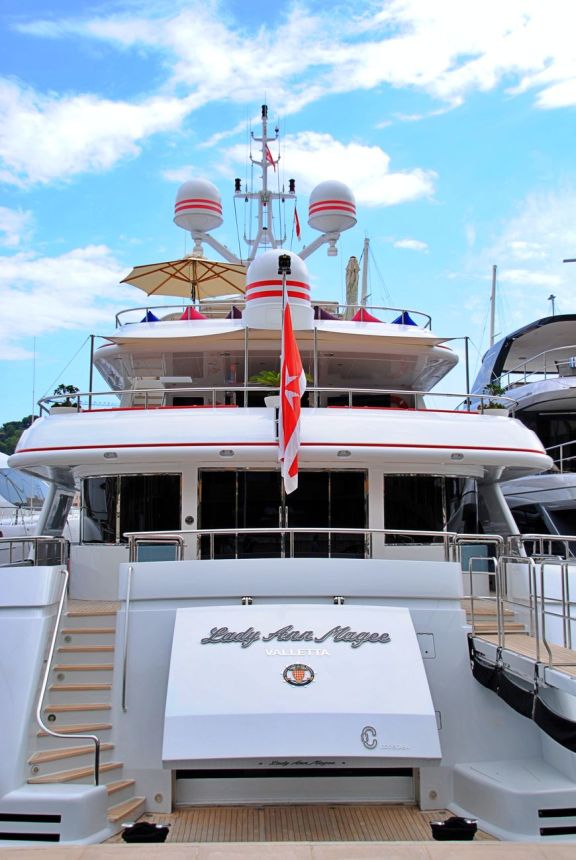
What’s in the base rate
What the base charter rate includes
The base weekly rate covers the yacht, the full professional crew, the yacht’s insurance, and the standard onboard equipment. That equipment typically includes a dinghy (tender), snorkelling gear, fishing gear, kayaks and floating loungers — the everyday kit you’ll use most days in the Society Islands.
It also covers everything served onboard: all meals and snacks prepared by your chef, plus drinks from a stocked bar, tea, coffee and soft drinks. On a well-run yacht the chef plans menus around your preferences before you board, then provisions to match. This is where French Polynesia quietly shines — fresh tuna, mahi-mahi, and Taha’a vanilla in the kitchen rather than airport-quality supplies.
What the base rate does not include is fuel, provisions beyond the standard stock, dockage, moorings, transfers, permits and excursions. Those are paid through the APA, which we explain next — and it’s the part first-time clients most often misread.
 Louis Lamprell, Charter Broker, Active CYBA Member at DMA Yachting
How the APA works in French Polynesia
The Advance Provisioning Allowance (APA) is a running fund you pay before the charter so the crew can cover your live expenses on the water. It covers fuel for the yacht and tender, provisions, dockage and mooring fees, airport transfers, cruising permits and taxes, scuba diving, and onshore excursions. Anything unspent is refunded to you at the end of the trip.
The APA percentage is roughly 20–25% of the base rate for sailing yachts and catamarans, and 30–35% for motor yachts. Motor yachts burn far more fuel, which is the whole reason for the gap. One Tahiti-specific catch: visiting yachts can take duty-free fuel, but fuel used while chartering is fully taxed — so expect to be invoiced fuel at the full rate.
| Cost | Sailing yacht / catamaran | Motor yacht | Notes |
|---|---|---|---|
| APA | 20–25% of base | 30–35% of base | Unspent portion refunded |
| Local taxes | Applied per regulation | Applied per regulation | Confirm current rate with your broker before booking |
| Crew gratuity | 15–20% (customary) | 15–20% (customary) | Separate from rate, given to captain |
On gratuities: crews increasingly expect 17–25%, and we’ll be honest — we think that upward drift is unsustainable and we set expectations early. We generally guide clients toward 15–20% for excellent service, tied to performance rather than reflex. Budget for it as a real line item, not an afterthought. On taxes, French Polynesia applies local charges to charters — we confirm the current rate and how it’s collected in writing as part of your quote, so there are no surprises.

What it costs — the real fleet, not round numbers
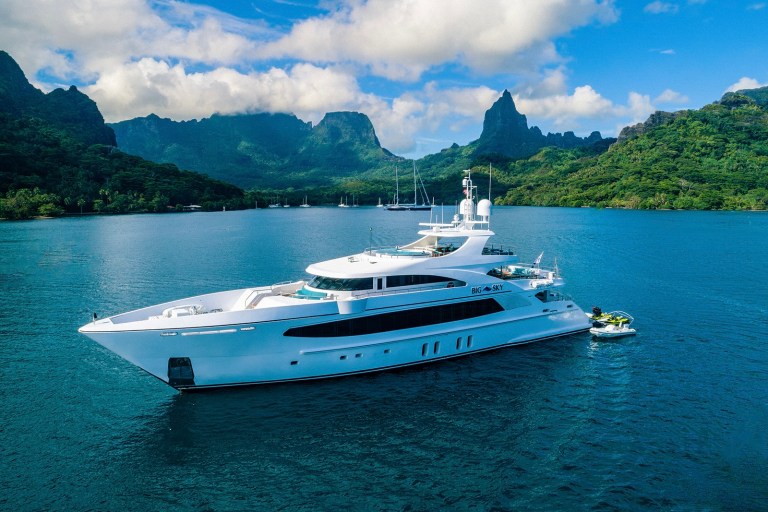
Tahiti is more expensive than the Caribbean or the Mediterranean, and the reason is simple supply and demand: it’s remote, and there are far fewer charter yachts here. From the boats we can actually place clients on, crewed catamarans run roughly $29,000 to $96,000 per week, and motor yachts span $25,000 to $420,000 per week — base rate, before APA and expenses.
At the upper tier, full-crew motor yachts in the 45–55m range built for the Society Islands and the Tuamotus typically run from around $190,000 to well past $400,000 per week, depending on size, age and toy inventory. We’ll match you to specific, currently available and correctly licensed yachts in that band once we know your dates and group — availability in French Polynesia shifts as boats relocate between regions each season, so we quote against the live fleet rather than fixed examples.
If your budget sits below the motor-yacht tier, a crewed catamaran is the sweet spot here. A well-equipped cat sleeping 8 works out to a strong per-guest value once you remember the rate covers the whole yacht — the boat, the crew, the chef, all meals, and the freedom to move between islands, all for your group alone. Set against Bora Bora overwater bungalows that start at $1,000–$1,200 and run past $4,000 a night at the Four Seasons, a privately crewed catamaran often delivers better value, and you wake up somewhere new each morning.
To frame your shortlist by budget, our yachts under $60k and yachts under $100k lists are a good start, and the luxury yachts collection covers the upper end. Plan for living and operational costs to add roughly 25–50% on top of the base rate once APA, tax, moorings and tips are counted.
 Martina Asmus, Owner, Charter Broker, Active CYBA Member, IYBA, ECPY at DMA Yachting
Catamaran or motor yacht — which fits Tahiti?
For most first-time charter guests in French Polynesia, we recommend a crewed catamaran. Unlike the Maldives, sailing and power catamarans are plentiful and well-supported here — Raiatea is a major catamaran base — so you get genuine choice, shallower draft for the lagoons, and a stable, social deck layout that suits families and couples alike.
A catamaran’s shallow draft matters more than people expect. The Society Islands are ringed by reef, and a cat can tuck into anchorages and lagoon shallows a deep-draft motor yacht has to stand off from. For relaxed island-hopping between Bora Bora, Taha’a and Moorea, that’s a real day-to-day advantage. Browse the catamarans and power catamarans if this is your direction.
We’d steer you to a motor yacht if you want more interior volume, longer range to reach the Tuamotus or Marquesas comfortably, faster passages between islands, and a fuller toy garage. The trade-off is cost — higher base rates and that 30–35% APA. Most Tahiti-suitable yachts host around 12 guests, so for larger groups see our large group charters.
The licence pitfall — confirm before you book
Here is where clients get caught out. To charter legally in French Polynesian waters, a yacht must hold a local licence called the “Grande Plaisance.” It’s free to obtain and granted for six months, renewable — but processing takes 7–8 weeks, and not every yacht heading to Tahiti has it sorted yet.
We have seen a yacht arrive in the region with a Tahiti booking but no charter licence in hand — a genuine risk to the client’s week. A boat without the licence cannot legally take you on a paid charter, and last-minute scrambles to fix that are not where you want to be on the way to Bora Bora.
This is exactly the kind of thing that doesn’t show up in a brochure and only surfaces when something goes wrong. Working with brokers who know the French Polynesia fleet means this gets checked before you ever see a contract.
When to go and how far ahead to book
Go May to October. That dry season brings less humidity, steadier trade winds from the east at 15–20 knots (up to 25 in the Leeward Islands), and the most reliable conditions for moving between islands. June to August is peak — temperatures around 80°F, plus events like the Tahiti Pearl Regatta and the Heiva festival — and European holiday demand makes it the busiest, priciest window.
The shoulder months, April–May and September–October, are our quiet favourite: good weather, fewer boats, more competitive rates, and far more private anchorages. If you can be flexible, this is the better-value version of the same trip. The wet season, November–April, brings warmer water and the lowest rates, but December–March is genuinely rainy with occasional storms — we wouldn’t build a first charter around those months.
For peak season, give yourself at least 6–9 months’ lead time before you sail, and treat August as a special case — even that can be too short. The supply of crewed yachts here is thin, so the best boats and crews go first. If you’re comparing destinations, our best locations overview puts Tahiti alongside the other expedition-led regions we cover.
Where a Tahiti charter takes you
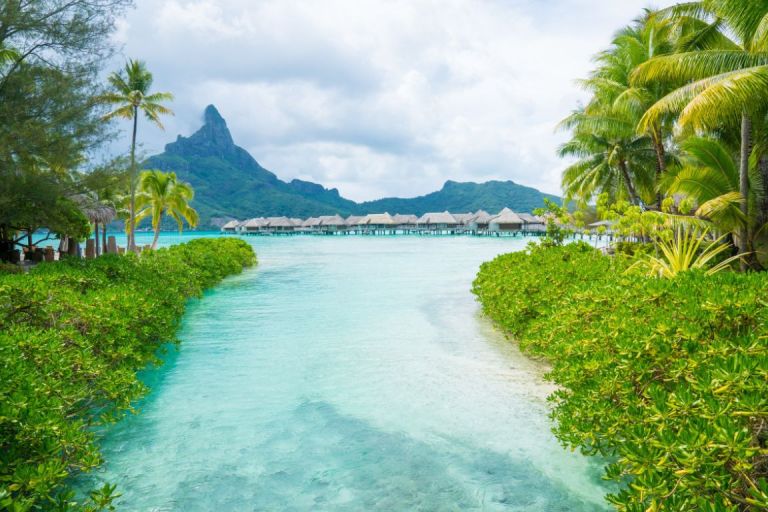
French Polynesia is 118 islands across five archipelagos, but the charter heartland is the Society Islands — Tahiti, Bora Bora, Raiatea, Taha’a and Moorea. Pape’ete on Tahiti is your gateway and where most charters begin. From there, Moorea’s jagged bays are a short hop, and the Raiatea–Taha’a pair share a single lagoon ringed by reef, with Taha’a known for vanilla and pearls.
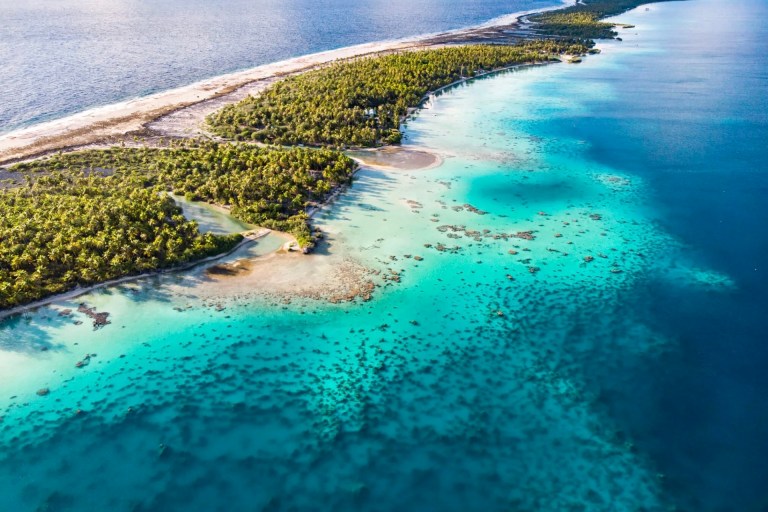
Bora Bora is the headline, and rightly so — but the real reward of a crewed yacht is reaching the places day-trippers can’t. The Tuamotu atolls, Fakarava and Rangiroa, are a passage away and deliver the diving that defines the region. Further still, the Marquesas are dramatic, remote and for the serious traveller with time and the right vessel.
The point of crewed is that the itinerary bends to you, not a schedule. A captain who knows these waters reads the wind and the passes daily and re-routes when something better opens up — a calmer anchorage, a clearer dive window, an empty lagoon. That flexibility is the whole reason to charter privately rather than book a hotel and a few excursions.
If you’re weighing French Polynesia against other remote cruising grounds we know well, it’s worth comparing with the Galápagos for wildlife and Raja Ampat for diving — each rewards a different kind of traveller, and we’re happy to say which one fits you.
FAQ
What does a crewed charter in Tahiti actually include?
The whole yacht for your group alone, a full professional crew (captain, chef and deckhands), all meals and snacks, drinks from a stocked bar, and standard water toys like the tender, snorkelling and fishing gear, and kayaks. Fuel, provisions beyond the standard stock, moorings, transfers, permits and excursions are paid through the APA on top. Crew expertise is what makes it worth it here — Tahiti’s reef passes, difficult atoll provisioning and remote anchorages are the difference between a relaxed week and a stressful one.
What’s the total cost beyond the headline rate?
Expect APA on top — 20–25% of the base rate on catamarans and sailing yachts, 30–35% on motor yachts — plus local charter taxes and a customary crew gratuity of 15–20%. French Polynesia applies its own local charges, and we confirm the current rate and how it’s collected as part of your quote. All in, living and operational costs typically add 25–50% to the base rate.
How many guests can a Tahiti charter yacht take?
Most Tahiti-suitable yachts host around 12 guests. Catamarans commonly sleep 8 in 4–5 cabins; larger motor yachts carry up to 12 in 6 cabins. For groups beyond 12, options narrow quickly and need planning well ahead.
When should I book for peak season?
At least 6–9 months before you sail for May–October, and treat July–August as even tighter — that lead time can still be short for August. Whale-watching dates (August–October) fill especially early. The supply of crewed yachts here is limited, so the best boats go first.
How do I know the yacht is licensed to charter?
Ask for written confirmation that the yacht holds a valid Grande Plaisance charter licence for your dates. It takes 7–8 weeks to process and not every yacht arriving in Tahiti has it. A broker who knows the region checks this before you ever sign a contract.
More yachts available in French Polynesia
Motor yachts


Catamarans


Plan Your French Polynesia Charter With Real Experts
Tell us how you like to travel and our charter team will hand-pick the right crewed yachts, dates and route — no obligation.
Our Top French Polynesia Recommendations
We put these shortlists together because most travellers don’t need to weigh up every yacht on the water — just the handful that consistently get this kind of trip right. Each guide below digs into the boats, the best months to go, and the trade-offs worth knowing before you book.



















 iMessage
 WhatsApp




































