
Quick answer
- Best all-round stop: Fakarava — protected lagoon, the cleanest water of the group, and the best pass diving in the archipelago.
- Biggest and most famous: Rangiroa, for scale and the Tiputa pass.
- Softest, most barefoot: Tikehau, for lagoon colour and easy sandbank days.
- Best season: May to October — the most settled weather for pass diving and lagoon anchorages.
- Best yacht: a crewed catamaran or power cat — shallow draft, stability at anchor, and indoor-outdoor lagoon living.
- Trip length: 7 nights for one or two atolls, up to 14 for a dive-heavy multi-atoll program.
For a crewed charter in the Tuamotus, the three atolls worth building a trip around are Fakarava, Rangiroa, and Tikehau. Fakarava is the one we recommend most: it is protected, selective, and the diving in its north and south passes is the reason most clients come here in the first place. Rangiroa earns its place on scale and its famous pass, Tikehau on softness and lagoon colour.
The rest of the archipelago — and there are dozens of atolls — does not reward a crewed yacht in the same way. A few are worth a flight-in day or a single anchorage. Most are flat, similar, and remote without a payoff. This guide is about where the boat genuinely unlocks something a resort plane cannot.
The character of the place
What the Tuamotus actually deliver
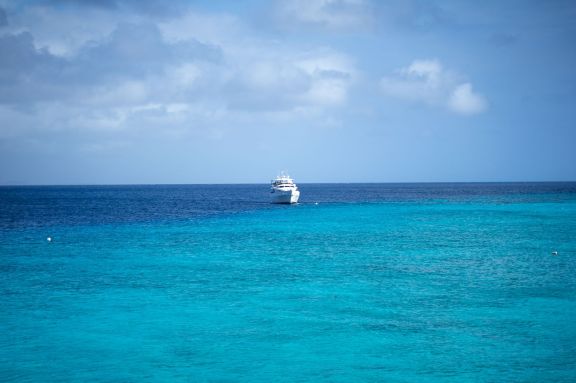
The Tuamotus are a water-first archipelago. These are low coral atolls — rings of reef and sandy motu around vast lagoons — not the green volcanic peaks of the Society Islands. There is no skyline to chase here. The experience is the water: the passes, the reef walls, the long lagoon days.
The rhythm is quiet: still anchorages, private beach setups, long swims, and diving that is the best in French Polynesia. If you want scenery, postcard mountains, and busy island towns, this is the wrong cruising ground. If you want marine life and space, it is hard to beat.


The atolls worth a crewed charter stop
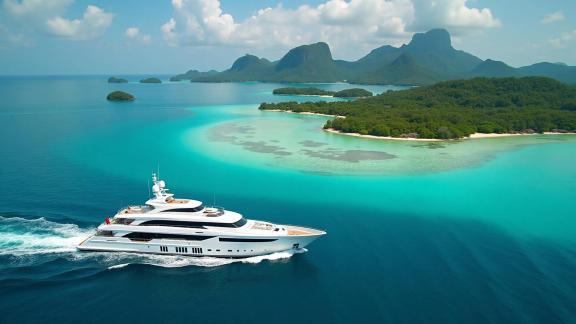
Not every atoll repays the effort of getting a yacht there. Here is how the standouts compare, and what each one is genuinely good for.
| Atoll | Best for | Not ideal for | Crewed-yacht payoff |
|---|---|---|---|
| Fakarava | Serious diving, clear water, protected lagoon | Anyone wanting variety beyond diving | High — overnight inside the lagoon, dive-tender access to both passes |
| Rangiroa | Scale, famous pass diving, big marine life | Shelter in strong wind — it is enormous and exposed | High — reach anchorages day boats can’t |
| Tikehau | Lagoon colour, sandbanks, barefoot days | Hardcore divers chasing wall life | Medium-high — private sandbank picnics, quiet swims |
Fakarava: the one we build trips around
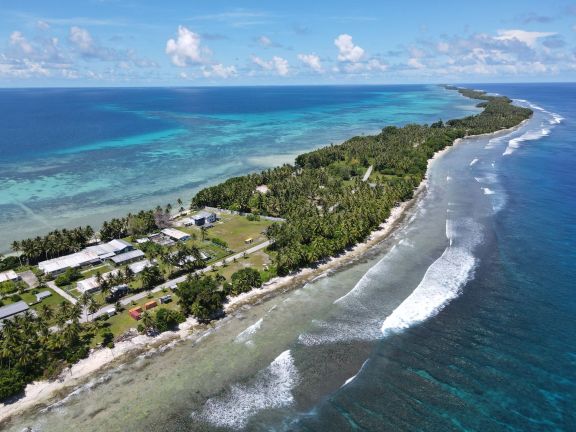
If you do one atoll properly, make it Fakarava. The water is reliably clear, the lagoon is protected, and the diving in its two passes — Garuae in the north, Tumakohua in the south — is the strongest reason to come to the Tuamotus at all. (Fakarava is widely listed as a UNESCO biosphere reserve; we suggest confirming current designation and any park rules with us when we plan the route.)
This is where a crewed yacht earns its keep. Instead of a day boat shuttling you out and back, you anchor inside the lagoon and stay overnight near the south pass, where the resort traffic thins out and you dive on the right tide rather than an operator’s schedule.
Both passes are drift dives, timed to the incoming (rising) tide so you ride clear water into the lagoon. The south pass — Tumakohua — is the one most clients picture: a wall of grey reef sharks on the slope. It is doable as an advanced open-water drift for confident, current-experienced divers, and the shallow inner edge can be snorkelled by non-divers on the right tide. The north pass, Garuae, is bigger, faster-flowing, and better suited to experienced divers. Your captain and dive guide make the tide and entry call, not you.
Rangiroa and Tikehau: scale versus softness
Rangiroa is the defining Tuamotu atoll — immense, with the well-known Tiputa and Avatoru passes drawing dolphins, sharks, and big pelagic life. It is the obvious headline stop, and for good reason. The catch is its size: the lagoon is so vast that in strong wind it can feel exposed, which is exactly where a capable crewed yacht and a good captain matter.
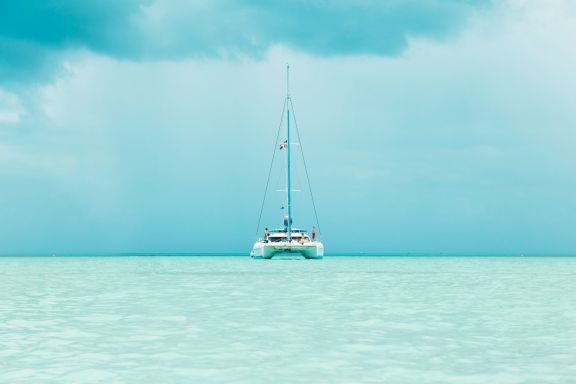
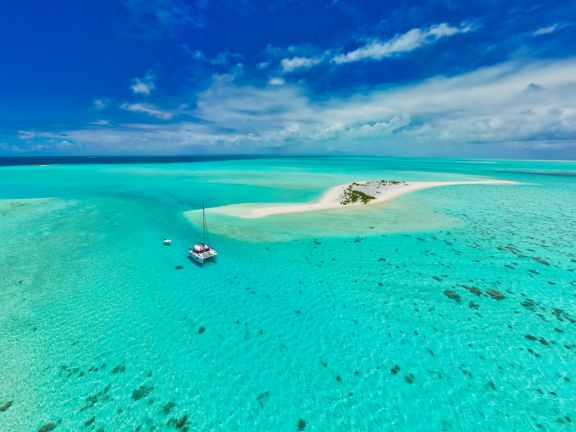
Tikehau is the gentler counterpoint. The lagoon colour is the draw, the sandbanks are made for barefoot afternoons, and the atmosphere is easier than Rangiroa’s. It is the atoll for clients who want to swim, picnic on a sandbank, and not think about a dive computer. Pairing Rangiroa with Tikehau gives you both the drama and the calm in one trip; we can confirm the crossing time for your boat and dates when we route it.
What a crewed yacht unlocks that a flight-in trip can’t
The honest test for any atoll is this: does the yacht give you something a resort and a dive operator can’t? In the Tuamotus, for the right atolls, the answer is yes — and it comes down to four things.
- Private anchorages inside the lagoon, away from the handful of resorts and pensions.
- Dive-tender access to pass dives on the correct tide, rather than fixed operator schedules.
- Overnight stays near the best passes — particularly Fakarava south, where day boats simply turn around.
- Chef-prepared meals set up on an uninhabited motu beach, which no resort itinerary replicates.
A good chef onboard changes the trip more than most guests expect. A lunch laid out on a deserted motu, with the right food and a crew who handle the logistics, is the part of the trip clients remember — and it is the part a flight-in stay cannot do.
Best yacht for the Tuamotus
We recommend a crewed catamaran or power catamaran here, and we recommend it firmly. Shallow draft matters in lagoons fringed with coral, the wide beam gives you stability at anchor, and the indoor-outdoor layout suits long, hot lagoon days. A deep-draft monohull is the wrong tool for atoll cruising.
Crew quality is the single most valuable factor in whether a Tuamotu trip works — more than yacht age, more than spec. A captain who reads the passes and tides, and a chef who can deliver a motu lunch, are worth more than a newer hull with a tired crew.
Getting there: the flight logistics that catch clients out
You reach the atolls on Air Tahiti domestic flights from Papeete, and this leg trips up more clients than the cruising does. Schedules are limited — some atolls are served only a few times a week — and small ATR aircraft enforce strict checked-baggage limits that do not allow for full sets of personal dive gear without arranging extra allowance in advance. Weather and aircraft availability can shift a flight, so we never build a tight same-day international connection onto a domestic hop.
The practical answer: build in a night in Tahiti or Moorea at each end, tell us your dive-gear plan early so we can confirm baggage and onboard equipment, and let us schedule the joining flight around the yacht’s position rather than the other way round.
When to go, and who should choose the Tuamotus
Go between May and October — the drier, more settled season. That gives you better visibility in the passes, calmer lagoon anchorages, and more reliable tender operations. We would not normally build a dive-focused trip outside that window. (Seasonal conditions vary year to year; we confirm the best dates against current forecasting when we plan.)
The Tuamotus suit divers, snorkellers, and water-led travellers who want remoteness and space. They do not suit a first-ever charter for guests who want easy scenery and short hops. If that is you, the Society Islands — Moorea, Bora Bora, Taha’a — are the easier first trip, and a route that starts or ends near Tahiti can fold in Moorea anyway.
For how the cost and routing come together, talk to us about indicative day rates for the crewed catamarans positioned here, and browse our broader itinerary guides for how a Tahiti start can be sequenced.
What usually goes wrong
The most common mistake is treating the Tuamotus like the Societies — expecting island towns, restaurants, and varied scenery. They are flat, quiet, and water-led. Clients who understand that before they board have a great trip; those who don’t feel underwhelmed by day three.
The second mistake is underestimating the passes. Tidal flow through a pass can be strong, and dives must be timed to the incoming tide. This is a captain-and-guide decision, not a guest one — another reason crew quality outranks everything. The third is over-routing: too many atolls, too little time at anchor.
FAQ
How many Tuamotu atolls should I include in one charter?
Two or three. For a 7-night trip, focus on one or two — typically Fakarava, or Rangiroa paired with Tikehau. For 10 to 14 nights you can do all three at an unhurried pace. More than that adds transit time without much reward, because the atolls are visually similar.
Is the diving really better than the Society Islands?
Yes, clearly. The pass diving here — especially Fakarava’s north and south passes and Rangiroa’s Tiputa — concentrates sharks, fish, and pelagic life in a way the Societies don’t match. If diving is your priority, this is where to spend the time.
Do I need to be an experienced diver, and can non-divers join in?
The passes are drift dives in current, so they suit confident divers — advanced open-water level for the south pass at Fakarava, and ideally more experience for the faster north pass and Rangiroa’s Tiputa. Non-divers aren’t shut out: the shallow inner edge of Fakarava’s south pass can be snorkelled on the right tide, and there is plenty of calm lagoon and reef snorkelling elsewhere. Your guide sets the entry and timing.
Can I combine the Tuamotus with Tahiti and Moorea?
Yes. You arrive via Papeete in any case, and a route that starts or ends near Tahiti can fold in Moorea easily. Many clients split the trip — a few days in the Society Islands for scenery, then a domestic flight out to the atolls for the diving.
What kind of yacht works best in the Tuamotus?
A crewed catamaran or power catamaran. Shallow draft suits coral-fringed lagoons, the wide beam adds stability at anchor, and the layout fits long lagoon days. Given how much the passes depend on an experienced captain, the crew matters as much as the boat.
When is the best time to charter the Tuamotus?
May to October — the drier, more settled season, with better pass visibility and calmer anchorages. We don’t recommend building a dive-led trip outside that window, and we confirm exact dates against current forecasting when we plan.
Plan Your Charter With Real Experts
Tell us how you like to travel and our charter team will hand-pick the right crewed yachts, dates and route — no obligation.
Our Top Recommendations
We put these shortlists together because most travellers don’t need to weigh up every yacht on the water — just the handful that consistently get this kind of trip right. Each guide below digs into the boats, the best months to go, and the trade-offs worth knowing before you book.





















 iMessage
 WhatsApp




































