Quick answer
- Best window overall: December to February, for up to 16 hours of daylight, the warmest conditions, and the easiest access through the Chilean fjords.
- For solitude seekers: November and March, when fewer yachts work the channels and you get penguin breeding (Nov) or autumn colour (Mar). March is the calmer of the two.
- Kayaking with humpbacks: December to February. The whales move through the fjords from December into April, but March and April fall in colder shoulder and edge months we usually steer guests away from.
- Best-fit yacht: an expedition motor yacht with good range, stabilisers, reliable tenders and a capable crew.
- Departure ports: Puerto Natales, Punta Arenas (Chile) or Ushuaia (Argentina).
- Book ahead: 6 to 12 months before you sail; the best boats fill up to a year out.
For most adventure-focused guests, charter Patagonia between December and February. That is the window with the longest daylight, the warmest conditions, and the easiest access for moving through the fjords and getting tenders to glacier faces. We only steer guests toward November or March when the priority is solitude and dramatic light over comfort.
The tradeoff is simple. Peak summer gives you reliable access and long active days. The shoulder months give you emptier anchorages and stronger atmosphere, but colder air and shorter days. Neither is wrong. The question is whether you are optimising for time on the water or for having the place to yourself.
 Chris de Kock, Charter Broker, Sales Broker, Active CYBA Member at DMA Yachting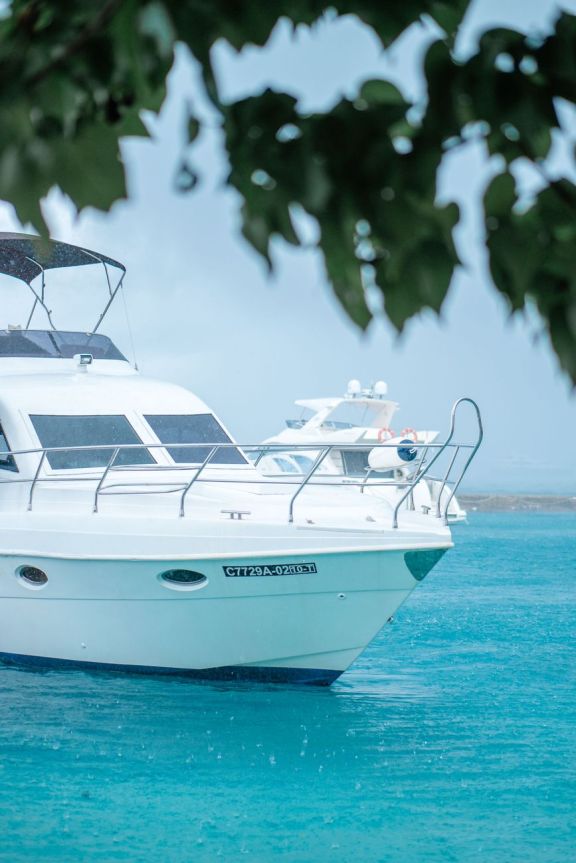
The cruising ground
What Patagonia delivers under sail
Chilean Patagonia is a maze of sheltered fjords and channels at the southern tip of South America, threaded with glaciers and mountains. This is a sea-and-mountains charter, not an island-hopping holiday. You move between protected anchorages, run tenders to ice floes and glacier faces, and pair quiet paddling days with serious shore walks.
What sets it apart from other expedition grounds is the combination of glacial scale and shelter. Unlike the open exposure of an ocean crossing, much of the cruising happens inside the channels, which makes a remote, wild region surprisingly workable for a comfortable yacht. The logic mirrors Galápagos in that the right vessel matters more than guests expect.
Motor Yachts



Peak summer vs shoulder season: which suits you
The decision comes down to daylight and access versus solitude and light. Here is how the two windows actually compare on the water.
| Season | Best for | Not ideal for | Conditions |
|---|---|---|---|
| December–February (peak) | Long active days, glacier tenders, kayaking with humpbacks | Guests wanting empty anchorages | Up to 16 hrs daylight; highs near 15°C around Torres del Paine, cooler in the channels near the ice fields |
| November (shoulder) | Solitude, wildflowers, penguin breeding | Cold-sensitive guests; can be the windiest part of the season | Considerably cooler than peak; spring winds often strong |
| March (shoulder) | Solitude, autumn colour, calmer winds | Cold-sensitive guests, packed itineraries | Cooler than peak; winds tend to settle |
| October / April (edges) | Hardened expedition travellers, fewest vessels | First-time charter guests | Cold, short days, more weather risk |
For a first Patagonia charter, December to February wins for most guests. The longer days let the captain wait out weather and still deliver a full programme of hiking, paddling and glacier cruising.
 Nadja Asmus, Charter Broker at DMA Yachting
Who each season really suits
Choose peak summer if you have a family or a mixed-ability group, want guaranteed long days, and care about humpback kayaking at its calmest. This is also the window if you want to pair sea time with an overland leg to Torres del Paine without fighting short daylight.
Choose the shoulder months if you have done remote charters before, prefer fewer boats in the channels, and want the atmosphere of November wildflowers and penguin breeding or March’s autumn colour. We would not normally build a first-timer’s trip around October or April. The cold and short days take the edge off the active programme, and the weather risk climbs.
Motor Yachts


The right yacht for Patagonia
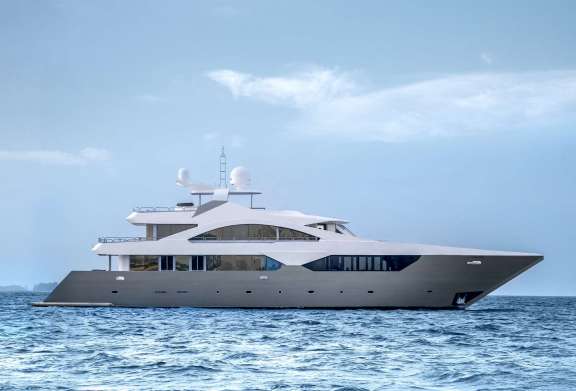
This is expedition chartering, so the vessel does most of the work. We recommend a comfortable expedition motor yacht with genuine range, stabilisers and reliable tenders. These boats are self-sufficient in remote water, and the right size depends on your group.
For a couple or a small family, we point guests toward a smaller expedition yacht in the three-to-five cabin range. You get the same range and tender capability without paying for cabins and crew you will not use, and these boats slip into tighter anchorages near the glacier faces. For larger groups travelling together, step up to a full-spec expedition yacht that hosts 12 to 20 guests, often with a spa, cinema and heli deck. Browse the larger-group expedition fleet or filter by price range to narrow the field, and we will match the specific boat to your dates and party.
 Carina Isenberg, Charter Broker at DMA Yachting
What it costs and how to plan
Patagonia runs on the plus-expenses charter model, where the base fee is quoted separately from fuel, provisioning, VAT and gratuities. Our listed Patagonia fleet currently ranges from roughly USD 20,000 to USD 875,000 per week before expenses. Smaller crewed expedition yachts sit at the lower end, mid-tier vessels run into the low-to-mid hundreds of thousands, and the largest full-spec megayachts reach the top of that range.
Budget for the extras honestly. Charters starting in Chilean waters carry 19% VAT on the base fee, the Advance Provisioning Allowance is typically 30% (and unspent funds are returned), and crew gratuity usually runs 10 to 20%. Together these can add 30 to 40% above the advertised rate. Book 6 to 12 months before you sail; the best expedition yachts fill up to a year ahead, and pricing swings sharply by season, so never compare a low-season rate to a high-season one on the same boat.
FAQ
When can I kayak with humpback whales in Patagonia?
Humpbacks move through the fjords from December into April. If this is a priority, charter in December to February. The whales are present and the paddling conditions are at their calmest, whereas March and April fall in colder shoulder and edge months we generally steer guests away from.
How long should a Patagonia charter be?
Most run 7 to 14 days. A 10-day charter is the sweet spot for covering the Beagle Channel, Southern Ice Field glaciers and the wildlife-rich coast without rushing, with margin to wait out weather.
Where do Patagonia charters depart from?
Puerto Natales and Punta Arenas in Chile, or Ushuaia in Argentina. Ushuaia is also the common gateway for Antarctica, which runs in the same southern-summer window if you want to extend further south.
Can I combine the yacht with Torres del Paine?
Yes, and we recommend it. Pairing sea time with an overland leg to Torres del Paine gives you the full sea-and-mountains experience. Build this in peak summer, when long days make the land programme far easier.
Is Patagonia suitable for a first luxury charter?
It can be, in peak summer on a proper expedition motor yacht with a capable crew. We would not put first-timers into October or April, when the cold and short days strip back the active programme and raise the weather risk.
More yachts available for this charter
Motor yachts


Plan Your Charter With Real Experts
Tell us how you like to travel and our charter team will hand-pick the right crewed yachts, dates and route — no obligation.
Our Top Recommendations
We put these shortlists together because most travellers don’t need to weigh up every yacht on the water — just the handful that consistently get this kind of trip right. Each guide below digs into the boats, the best months to go, and the trade-offs worth knowing before you book.



















 iMessage
 WhatsApp




































