Quick answer
- Best season: the austral summer, November to March, with December to February the warmest, longest-light peak.
- For calmer wind, less crowd: November and March cut rates 20-30% and ease the gusts, at the cost of cooler days.
- Wildlife timing: Magellanic penguins are ashore breeding from early October to late March — outside that they are at sea.
- Daylight: long summer light gives you more cruising hours in the fjords and Beagle Channel.
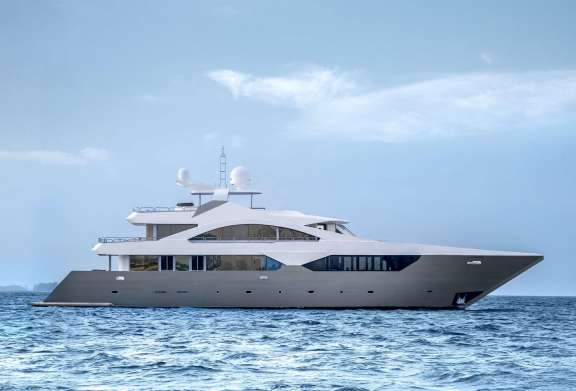
- Vessel reality: this is expedition territory — you want a rugged motor yacht with range, good tenders and an ice-aware crew.
- Book ahead: reserve 6 to 12 months before you sail; the fleet that suits these waters is small.
 John Boullin, Charter Broker at DMA Yachting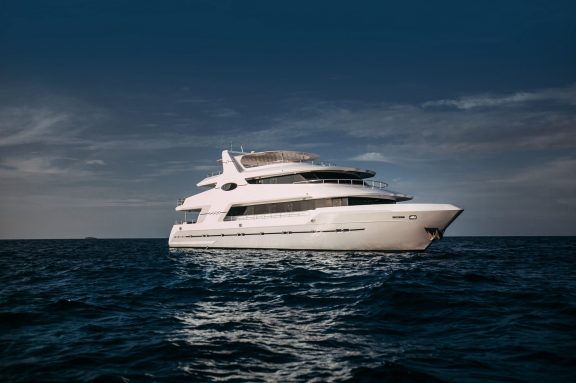
The Patagonia yacht charter season runs November to March, and for most guests the heart of it — December to February — is the right window. That is the warmest, longest-light part of the austral summer, and the only stretch where the fjords, the Southern Ice Field glaciers and the Beagle Channel all line up reliably with active wildlife ashore. We only steer people to November or March if they want lower rates, thinner crowds, and slightly less wind — and accept cooler days for it.
The trade-off is simple. Peak summer gives you the best balance of temperature, daylight and access. The shoulder months save money and noise but ask more of your packing list. What does not change in any month is the weather’s habit of turning fast — strong wind, rain and the odd snow flurry are part of the deal here, summer included.
Motor Yachts



The core window
When is the best time to charter a yacht in Patagonia?
The Patagonia yacht charter season is the austral summer, November to March, and December to February is its peak for a reason. Summer highs average around 15°C, the days are long, and the channels around Tierra del Fuego are at their most workable. This is the window we build most first-time Patagonia trips around.
It is also the busiest and priciest stretch. If your dates are fixed to this window, book early — the handful of yachts that genuinely suit these waters fill quickly. Patagonia sits at the opposite end of the calendar to the Med and Alaska’s summer season, so don’t assume northern-hemisphere availability patterns apply. You can browse the full picture on our Patagonia yacht charters destination page.
 Leonidas Marousos, Charter Broker at DMA Yachting
Should you go in the shoulder months instead?
November and March work well for a specific guest: someone who wants the scenery and wildlife without peak-season crowds or peak-season pricing. Shoulder rates run roughly 20-30% below summer, and the wind tends to be a touch lighter. The penguins are still ashore — Magellanic colonies stay in residence from early October to late March.
What we would avoid entirely is the southern winter, April through September. The cruising boats relocate to other regions, daylight collapses, and the conditions stop being a holiday and start being an expedition in the harder sense of the word.
Motor Yachts


Patagonia sailing weather: what to expect on board
Patagonia sailing weather is the single biggest factor in how your charter actually plays out. Across the whole season, expect 5-15°C, and expect it to change without much warning. Strong westerlies funnel through the channels, and a calm morning can become a pinned-down afternoon. This is why the boat matters more than people think — you want a vessel with real range and a captain comfortable reworking the day’s plan around the wind.
A 10-day charter tends to be the sweet spot — long enough to absorb a lost day or two and still reach the Beagle Channel, the Southern Ice Field glaciers and the wildlife coasts. Pair the sea time with an overland leg into Torres del Paine and you get the full sea-and-mountains version of the region.
 Chris de Kock, Charter Broker, Sales Broker, Active CYBA Member at DMA Yachting
Yachting for adventure seekers in Patagonia
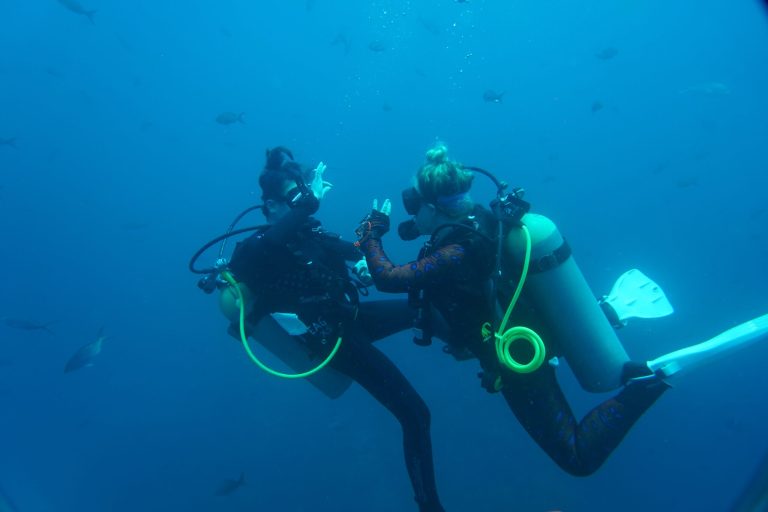
If you are the kind of guest who came for the wilderness rather than the deck cushions, Patagonia rewards you more than almost anywhere we place charters. This is expedition cruising: glacier-front anchorages, fjords few yachts ever reach, kayaking off the tender, hiking ashore between sailing legs. The wind and the rawness are the point, not a flaw to be managed away.
For adventure-led guests, December to February still wins on access — but November and March suit you better than they suit a comfort-first group, because you will trade a few degrees of warmth for emptier channels and more flexible crews. What you should not do is treat this like a Mediterranean week with mountains attached. The day belongs to the weather, and the best trips here lean into that.
What it costs, and which yachts fit
Crewed luxury weeks in Patagonia span a wide range depending on the yacht and the month, so the real question is which end of that scale suits your group. Peak-season weeks sit at the top; shoulder weeks, and the occasional end-of-season offer, bring it down. Plan to add another 50-55% over the base rate for APA, fuel and crew gratuity — motor yachts here burn fuel, so the provisioning allowance can sit at the higher 35-40% end.
On vessel choice, this is expedition-style cruising: you want range, reliable tenders and a crew that knows the channels. Rather than a fixed shortlist — the boats that suit Patagonia relocate between regions each season — we match the right yacht to your dates and group size once we know them. Browse the wider luxury fleet and we will narrow it to the vessels genuinely suited to these waters for your window.
FAQ
How far in advance should I book a Patagonia charter?
Book 6 to 12 months before you sail, and longer if your dates fall in the December-to-February peak. The fleet suited to these waters is small, so the best yachts and weeks go early.
Can I see penguins on a Patagonia yacht charter?
Yes, within the season. Magellanic penguins are ashore breeding from early October to late March, which lines up with the cruising window. Outside those months they are at sea and inaccessible.
Is summer in Patagonia actually warm?
Mild rather than warm. Summer highs average around 15°C, with cooler days and the constant chance of wind, rain or a snow flurry. Pack for layers and weather in every month.
Are there extra charter taxes in Chilean Patagonia?
No. Chile does not distinguish between private and charter yachts for tax, so there is no charter-specific tax. Immigration rules can affect your itinerary depending on guests’ nationalities and length of stay.
How long should a Patagonia charter be?
Seven to 14 days, with 10 days the practical sweet spot. That gives you enough margin to absorb a weather day and still reach the Beagle Channel, the glaciers and the wildlife coasts.
More yachts available for this charter
Motor yachts


Plan Your Charter With Real Experts
Tell us how you like to travel and our charter team will hand-pick the right crewed yachts, dates and route — no obligation.
Our Top Recommendations
We put these shortlists together because most travellers don’t need to weigh up every yacht on the water — just the handful that consistently get this kind of trip right. Each guide below digs into the boats, the best months to go, and the trade-offs worth knowing before you book.



















 iMessage
 WhatsApp




































