Quick answer
- Best for most guests: the Beagle Channel — sheltered water, glacier fjords, and reliable wildlife without an ocean beating.
- Cape Horn is for: experienced travelers set on rounding the Horn who accept exposed seas and a weather-dependent landing.
- Season: December to March only. Winter (April to September) is operationally inadvisable.
- Vessel: an expedition motor yacht with range and reliable tenders is the right fit for both routes.
- Typical cost: Cape Horn-capable yachts run $22,000 to $135,000 per week plus expenses.
- Trip length: 10 days is the sweet spot; the Horn needs weather margin built in.
 Marcelle Hailwax, Charter Broker at DMA Yachting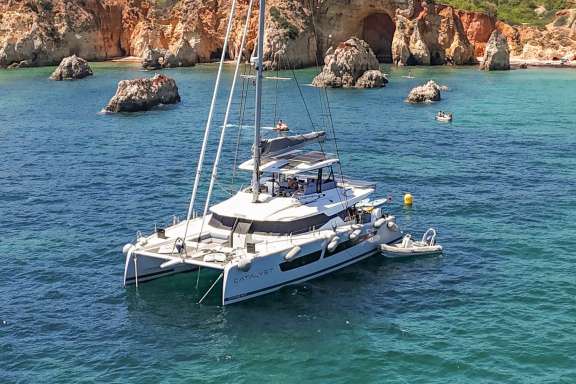
Beagle Channel or Cape Horn: which route wins?
For most guests, we recommend the Beagle Channel and the Chilean fjords. It gives you glaciers, protected anchorages, and the best day-to-day wildlife of southern Patagonia without committing your whole charter to open-ocean weather. We only build the trip around a Cape Horn rounding when the guest specifically wants to say they did it — and understands what that costs in comfort and flexibility.
The core tradeoff is simple. The Beagle Channel is sheltered and dependable; Cape Horn is dramatic, exposed, and never guaranteed. Weather at the Horn can turn a landing into a distant pass-by, and the run south from Puerto Williams — roughly 80 nautical miles — puts you into water that answers to the Drake Passage, not to your itinerary.
Catamarans


Who each route fits
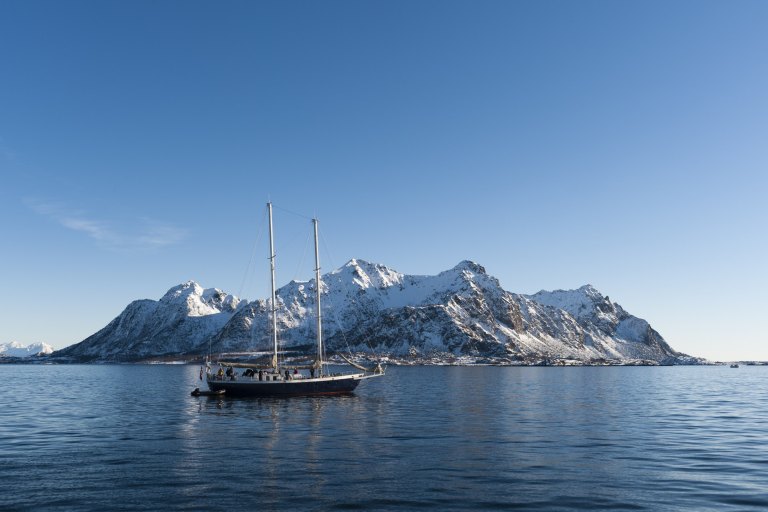
Choose the Beagle Channel if you want a mix of glaciers, wildlife, and comfortable evenings at anchor. It suits families, couples, and first-time expedition guests. Glacier Alley delivers a run of tidewater glaciers flowing down from the Darwin Range — named for European countries like Italy, Germany, and France — and the channel itself brings humpback whales, sea lions, penguins, and dolphins on the bow.
Choose Cape Horn if rounding the southernmost headland of South America is the whole point, and you have the sailing stomach for it. The Cape is a sheer 425-metre promontory, a UNESCO World Biosphere Reserve since 2005, and it earns its reputation. This is for confident travelers who treat the landing as a bonus, not a booking condition.
 Leonidas Marousos, Charter Broker at DMA Yachting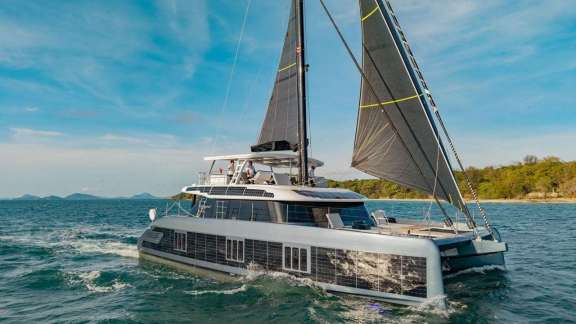
The decision at a glance
The tradeoffs that actually matter
| Route | Best for | Not ideal for | Sea conditions |
|---|---|---|---|
| Beagle Channel | Glaciers, wildlife, comfort, families | Guests chasing the Horn itself | Usually calm; watch for sudden katabatic winds off the mountains |
| Cape Horn | Rounding the Horn, dramatic open water | First-timers, poor sailors, fixed schedules | Exposed to the Drake Passage; weather-dependent |
One point most people miss: the Beagle isn’t hazard-free. Katabatic winds pour down off the Darwin ice without warning, so a good captain still picks anchorages carefully. But that’s manageable seamanship, not the ocean exposure of the Horn.
Catamarans


The right yacht for Patagonia
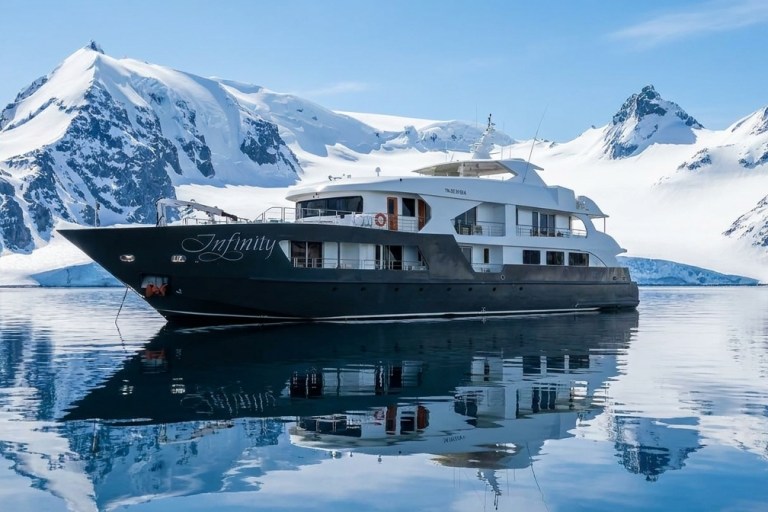
For both routes we point clients toward an expedition motor yacht — comfortable at anchor, good range for the distances between fjords, and reliable tenders for glacier and shore landings. The boat matters more here than people expect. This is the same category we place for Alaska and the polar regions, and Patagonia sits firmly in our expedition charter world.
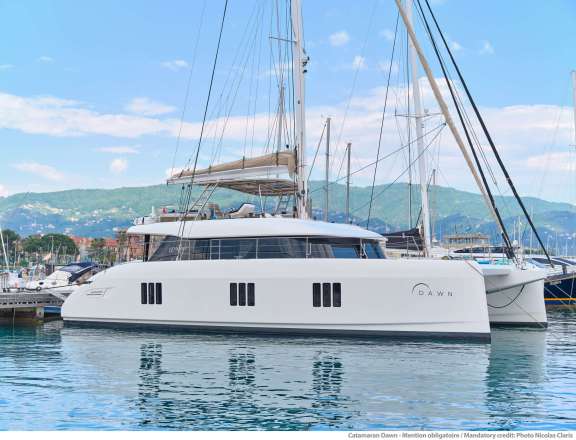
Catamarans work well in the sheltered channels and give you space and stability at anchor — CATALYST and DAWN are examples of the four-cabin cats that suit a Beagle Channel program. For more range and presence, larger platforms like BUNDALONG handle the longer fjord legs comfortably. We would not send a lightweight coastal boat toward the Horn.
 John Boullin, Charter Broker at DMA Yachting
Season, cost, and how to book
Go December to March. That’s the only sensible window — milder temperatures, calmer seas, long daylight, and the best wildlife. December to February commands the highest rates and books earliest, so reserve boats 12 months or more before you sail if you want the strongest fleet.
Real Cape Horn-capable yachts on our books run from $22,000 to $135,000 per week for motor yachts, with catamarans from around $9,500. Budget for expenses on top: an Advance Provisioning Allowance covers fuel, food, and drinks, and for expedition-style Horn charters crew gratuities of 15 to 20 percent are standard given the specialist navigation. As a rough all-in rule, add 50 to 55 percent on top of the base rate.
Many guests pair the sea time with Torres del Paine overland for a combined mountains-and-fjords trip. If you’re still weighing destinations, our most popular expedition regions and charter insights are a good next read.
FAQ
Is rounding Cape Horn guaranteed on a charter?
No. The Horn sits at the edge of the Drake Passage, and captains only make the run when a weather window opens. Book it expecting a landing to be weather-dependent, not a fixed stop.
When is the best time for a Patagonia yacht charter?
December to March. Southern-hemisphere summer brings milder temperatures, calmer seas, long daylight, and the best wildlife. Winter, April to September, is operationally inadvisable.
How long should a Patagonia charter be?
Most run 7 to 14 days, and 10 days is the sweet spot. A Horn-focused trip needs extra days of weather margin built in, so lean toward the longer end.
Is the Beagle Channel calm enough for nervous sailors?
Generally yes — it is sheltered and pleasant compared to open water. The main hazard is sudden katabatic winds off the Darwin Range, which an experienced captain manages through careful anchorage choice.
More yachts available for this charter
Motor yachts


Catamarans


Plan Your Charter With Real Experts
Tell us how you like to travel and our charter team will hand-pick the right crewed yachts, dates and route — no obligation.
Our Top Recommendations
We put these shortlists together because most travellers don’t need to weigh up every yacht on the water — just the handful that consistently get this kind of trip right. Each guide below digs into the boats, the best months to go, and the trade-offs worth knowing before you book.




















 iMessage
 WhatsApp




































