Quick answer
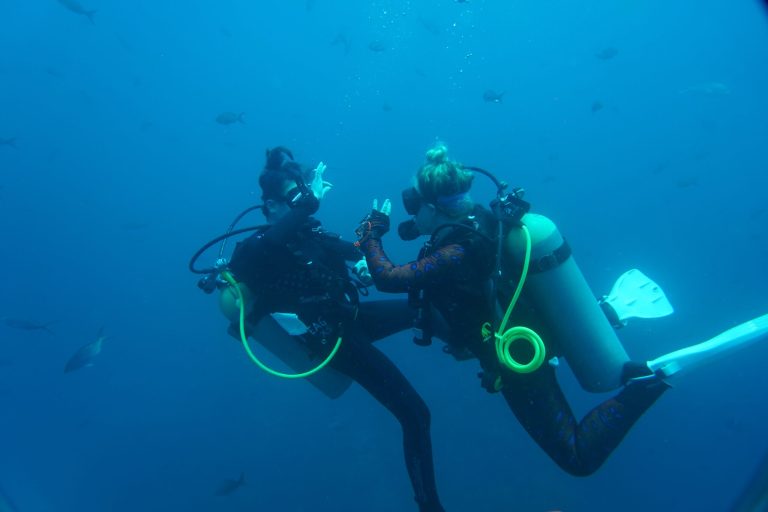
- Best for diving: Garúa season, June to November, when the Humboldt current brings in hammerheads, whale sharks and cooler, nutrient-rich water.
- Best for families and first-timers: Warm season, December to May, for calmer seas, clearer skies and easier snorkeling.
- The route is fixed either way: every charter follows a park-assigned eastern or western loop from a set home port; you cannot design a free-roaming itinerary in any month.
- The guide takes a cabin: a certified naturalist guide is required aboard for the full charter, in both seasons, and that cabin comes out of your guest count.
- Sea state, not just sky, matters: the western leg toward Isabela and Fernandina is more exposed to open swell than the eastern loop, whichever month you sail.
- Compare like-for-like: a warm-season rate on one boat and a garúa rate on another are not the same comparison, even on the same yacht class.
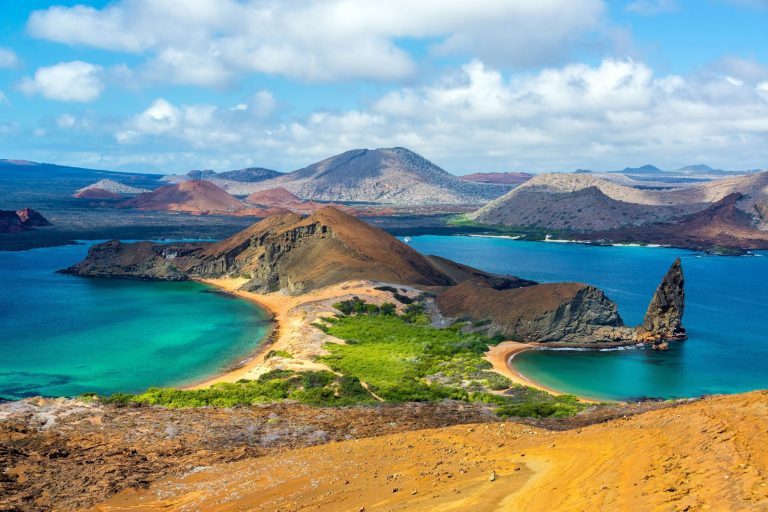
For a first Galápagos charter built around comfort and easy time in the water, we recommend the warm season, December through May. Seas are calmer, the water is warmer, and skies are clearer, which makes snorkeling with sea lions and turtles at Galápagos sites like Bartolomé and Española more comfortable for families and first-time guests. For repeat guests focused on diving and big pelagics, garúa season, June through November, is the better call: the Humboldt current cools the water, stirs up nutrients, and pulls in hammerheads and, in some years, whale sharks. Both seasons run the same park-controlled loop with a mandatory naturalist guide aboard. The season changes what you see and how the boat feels underway, not how freely you can move around the archipelago.


Season by season
Warm season vs garúa: the quick comparison
The two seasons pull different guests for different reasons. Neither is objectively better across the board, but one is almost always right for a given guest profile, and the table below is how we sort that out on the first call.
| Season | Best for | Not ideal for | Typical cost pattern |
|---|---|---|---|
| Warm season (Dec-May) | Families, first-time guests, snorkelers, calm-water travelers | Divers chasing hammerheads or whale sharks | Peaks around Christmas, New Year and Easter |
| Garúa season (Jun-Nov) | Repeat divers, pelagic photographers, guests who don’t mind grey skies | Guests prone to seasickness on the western Isabela/Fernandina leg | Peaks with the June to August travel window |
Who the warm season fits
December through May is the window we steer most first-time Galápagos guests toward. Seas are calmer across the loop, and the crossings between islands feel easier underway, which matters if you are traveling with kids or with anyone unsure about time in open water. Air and water temperatures are both higher in this window, so snorkeling stops run longer without anyone needing a wetsuit, and afternoons on deck are simply more pleasant.
Sea lion colonies, marine iguanas and a wide range of shorebirds are present across the islands year-round, and the calmer conditions in warm season make landings and snorkeling stops easier to enjoy, especially for younger guests or anyone newer to being in open water. Photographers also tend to prefer this window for above-water shots: clearer skies and better light make for sharper images of the coastline and the landing sites at Bartolomé and Española, even if the pelagic action underwater is lighter than it is in garúa months. If your group cares more about being on and around the water than logging serious dive time, this is the season to book.
Who the garúa season fits
June through November is what most crews mean when they say “garúa,” the misty, overcast weather pattern driven by the cool Humboldt current moving up from the south. Air and water temperatures drop, skies stay grey more often than not, and the western route around Isabela and Fernandina gets choppier. We do not sell this season on comfort. We sell it on what the current brings with it.
What garúa season means for comfort onboard
Cooler water and greyer skies do not mean a bad trip, but they do mean a different one, and we would rather set that expectation before you book than after. Wetsuits get more use on snorkeling and dive stops, layers matter more on deck, and the western crossing toward Isabela and Fernandina is where the boat itself starts to matter more than people expect. A stabilized expedition motor yacht handles that stretch differently than a lighter catamaran, and this is worth discussing with us before you fix a boat, not after you have already paid a deposit.
How the season shapes the route, the boat, and the menu
Every Galápagos charter, warm season or garúa, runs under the same Galápagos National Park rules. Your yacht is assigned a pre-approved eastern or western loop, and that route cannot be changed once you are underway. A common benchmark is an 8-day full-loop itinerary covering more than 300 nautical miles from a fixed home port, taking in both the volcanic western islands and the lusher eastern side. The season decides how comfortable that route feels and what shows up along the way, not whether you can redesign it.
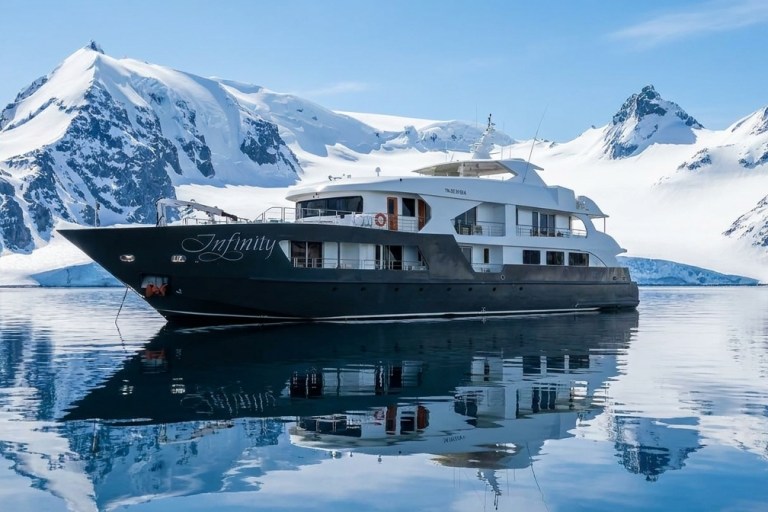
A licensed naturalist guide is required aboard for the entire charter in either season, and that guide occupies a cabin, so factor it into your guest count when you book. The fleet itself is deliberately small: mostly expedition-style power catamarans and expedition motor yachts built or fitted specifically for park operations. Very few vessels qualify for a Galápagos National Park operating permit, and that list changes slowly. A yacht is added only when it meets strict size, safety and environmental standards set by the park, which is why the pool of boats to choose from stays narrow no matter which season you sail, and why we usually advise settling on a season before you get attached to a specific boat.
Guests arriving on a private yacht rather than a locally based charter boat should budget separately for entry prep. Biosecurity rules typically require fresh hull paint, a full hull inspection and fumigation before a vessel is cleared to enter the park, and this adds real cost and lead time on top of the charter fee itself. We usually advise confirming this process and its timeline with the park authority well before you fix your travel dates, since it can affect when the yacht is actually available to sail, in either season.
Onboard chefs also work with what each current actually delivers. Garúa months bring more pelagic and cold-water species to the table alongside the archipelago’s usual sea lion and turtle sightings offshore, while the warm season leans into fish and produce that come through calmer, warmer-water supply routes. Neither season limits the kitchen, but the sourcing shifts with the water, the same way the dive log does.
How far ahead should you book each season?
For most guests, we recommend booking 12 to 18 months before you sail, especially for the peak weeks in either season: Christmas, New Year and Easter in warm season, and the June-to-August run in garúa season. Because the Galápagos fleet is small and permits are tied to specific vessels, the good boats on the dates that matter get quietly reserved by other guests well before the season opens for general booking.
If your trip is less than six months away, you still have options, but they narrow fast. We usually advise being flexible on the exact week, open to either the eastern or western loop rather than insisting on one, and ready to move on a boat within a day or two of it becoming available. Waiting for the “perfect” week on a short timeline is the most common way guests end up with no boat at all rather than a slightly different one.
What goes wrong when guests pick the wrong season
The most common mistake is a diver-heavy group booking warm season because the dates were easier to line up, then finding the water too calm and too warm for the pelagic activity they actually wanted. The current that pulls in hammerheads simply is not there from December to May.
The reverse mistake is just as common: a family with young children booking garúa season for lower-season availability, then getting grey skies and a bumpier ride on the exposed western crossing for snorkeling days that were supposed to be the highlight of the trip. This works on paper when you are only looking at a calendar. It becomes a problem once you are actually on the water off Isabela.
- Match your dive or snorkel goals to the season before you match dates to availability.
- Confirm the guide’s cabin is accounted for separately from your paying guest count.
- Compare rates only within the same season and the same yacht class, never warm-season pricing against garúa pricing.
- If arriving on a private yacht, budget the biosecurity prep cost and timeline separately from the charter fee.
- If your trip is less than six months out, stay flexible on the exact week and the loop direction rather than holding out for one specific date.
For guests weighing the Galápagos against other expedition regions, our best locations guide and the wider yacht charter insights library cover how park rules, seasons and fleet size compare across destinations. If Galápagos is already the fixed point and you’re narrowing down a boat and season, our Galápagos yacht charter page lays out current availability by month, and the FAQ page answers the permit and guide questions that come up most on early calls.
FAQ
Is garúa season bad weather for a Galápagos charter?
It is cooler and greyer, with more overcast skies and choppier seas on the western route, but it is not a poor season. It is the season that brings the Humboldt current’s nutrient-rich water, which is exactly what draws hammerhead sharks and heavier marine life into the western sites. It suits divers more than sunbathers.
Can I customize my own route regardless of season?
No. Galápagos National Park assigns every charter a pre-approved eastern or western loop, and a licensed naturalist guide must be aboard for the full trip. This applies the same way in warm season and garúa season; the season changes conditions and wildlife, not routing freedom.
Which season is best for diving in the Galápagos?
Garúa season, June to November, is the stronger diving window. The cooler Humboldt current brings nutrient-rich water that concentrates pelagic species, including hammerhead sharks and, some years, whale sharks, particularly around the western sites near Isabela and Fernandina.
Does the naturalist guide requirement change between seasons?
No. A certified naturalist guide is mandatory for the entire charter in both warm season and garúa season, and that guide occupies a cabin on the yacht. Factor this into your guest count when choosing a boat, regardless of when you sail.
Should I compare warm-season and garúa-season prices on the same boat?
Only within the same season tier. Warm season rates typically peak around Christmas, New Year and Easter, while garúa season rates track the June-to-August travel window. Comparing a low-demand week in one season against a peak week in the other will not give you an accurate read on cost.
What should I pack differently for garúa season?
Bring layers. Days can start cool and overcast, water temperatures are lower for swimming and snorkeling stops, and a wetsuit makes a real difference on longer dive days. Warm season still calls for sun protection, but garúa is where guests most often under-pack for the actual conditions.
Plan Your Galápagos Charter With Real Experts
Tell us how you like to travel and our charter team will hand-pick the right crewed yachts, dates and route — no obligation.
Our Top Galápagos Recommendations
We put these shortlists together because most travellers don’t need to weigh up every yacht on the water — just the handful that consistently get this kind of trip right. Each guide below digs into the boats, the best months to go, and the trade-offs worth knowing before you book.


















 iMessage
 WhatsApp




































