Quick answer
- Real base rate: A full private Antarctic charter on a polar-ready expedition yacht runs roughly $245,000 to over $750,000 per week base, before expenses.
- The all-in number that matters: Add 50 to 60 percent on top of the base for APA, gratuity, permits and possible air charter — Antarctica is the most expense-heavy region we place.
- APA is the big swing: Budget 30 to 40 percent of the base rate as APA (fuel, food, port fees), higher than anywhere else because of remoteness.
- Departure point: Almost all private charters stage from Ushuaia, Argentina, crossing the Drake Passage to the Antarctic Peninsula.
- Skip the Drake by air: A one-way air charter from Punta Arenas to King George Island costs around $125,000 for the aircraft, roughly halved if shared.
- Season: November to March only. Peak is December to February — book 12 to 18 months before you sail.
 Nadja Asmus, Charter Broker at DMA Yachting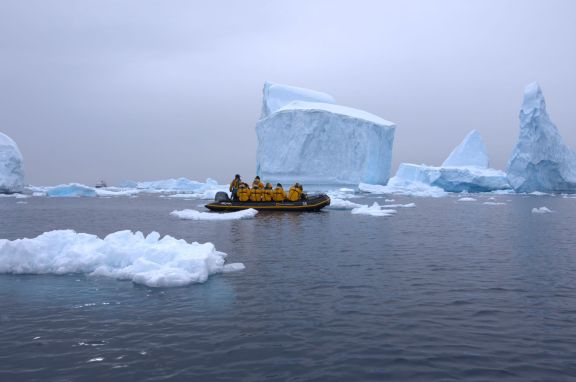
What a private Antarctic charter actually costs in 2026
For most clients chartering Antarctica privately, plan on a base charter rate between $245,000 and $750,000 per week, then add 50 to 60 percent on top for everything else. A 48m expedition yacht like Hanse Explorer starts around $245,000 a week; a larger, more comfortable motor yacht runs closer to $650,000 and up. The full-spec, ultra-large end of the market sits well above $1 million a week.
The cheaper-sounding figures you find online — “$50,000 per week” headlines — refer to smaller or older boats that are not realistically suited to a comfortable Peninsula crossing with a family aboard. The vessels that actually do this trip well, with stabilisers, ice capability and proper Zodiac operations, sit at the higher end. This is the part clients get caught out on.
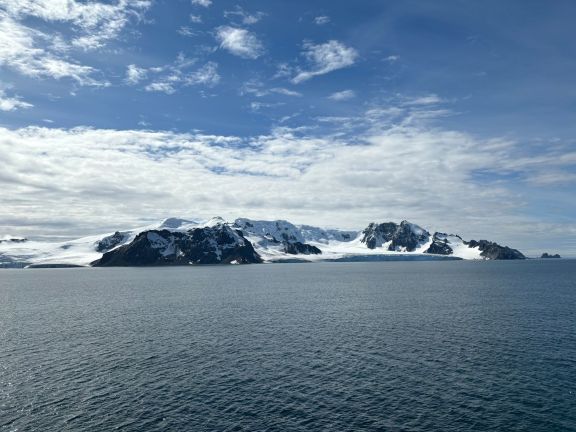
The reason Antarctica costs more than any region we work in — more than Alaska, the Galápagos or the South Pacific — is not snobbery in the pricing. It is fuel burned across the Drake Passage, provisioning for full self-sufficiency, mandatory permits, and the simple fact that there is no infrastructure to fall back on. No fuel dock, no resort, no supply run. The boat carries everything.


The pricing structure
How the bill is built: base, APA, gratuity and extras
Every crewed charter follows the same skeleton: base rate, then VAT where it applies, then APA, then gratuity. Antarctica adds permit overhead and, optionally, air charter. Understanding these four or five lines is the difference between arriving at a broker conversation informed and arriving shocked.
The base rate covers the yacht, the full crew, insurance on the vessel, and use of the boat and her equipment. It does not cover fuel, food, drinks, port fees or anything consumed during the week. On smaller motor yachts in particular, fuel alone can run over the entire APA — a real risk on a fuel-hungry Drake crossing.
APA — the Advance Provisioning Allowance — is a float you pay upfront, usually 30 to 35 percent of the base in normal destinations. Antarctica’s remoteness pushes it to 30 to 40 percent. It covers fuel, food, drinks, port and clearance fees. The crew run it against actual spend and reconcile at the end; unspent money comes back to you.
Gratuity is customary at around 10 percent of the base charter fee, paid to the crew at the end of a good week. On a strong Antarctic charter — and the ones that go well are genuinely memorable — that is money well placed. The crew on these boats are the difference between a list of landings and an expedition you remember in detail.
 Marcelle Hailwax, Charter Broker at DMA Yachting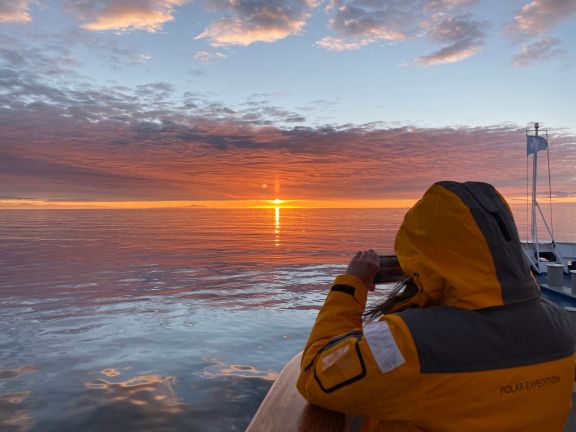
A worked example: 48m expedition yacht, 12 guests, 10 days
Numbers land better than percentages, so here is a realistic build for a mid-size polar expedition yacht over a typical 10 to 11 day charter covering roughly 600 nautical miles of the Peninsula. Note that a 48m yacht starts around $245,000 for a standard seven-day week — the ~$350,000 base below is that weekly rate scaled up to a longer 10-day Antarctic charter, which is why the figure is higher.
| Line item | What it covers | Typical amount | Notes |
|---|---|---|---|
| Base charter fee | Yacht, crew, insurance | ~$350,000 | 48m weekly rate scaled to 10 days |
| APA (30–40%) | Fuel, food, drinks, port fees | $105,000–$140,000 | Fuel is the largest single cost |
| Crew gratuity (~10%) | End-of-charter tip | ~$35,000 | Customary, not mandatory |
| Drake air charter (one way, optional) | Skip the crossing one direction | ~$62,500–$125,000 | Per aircraft; ~$125,000 solo, ~$62,500 if shared |
| Antarctic Treaty permit | Compliance, environmental filing | Variable by flag state | Handled by operator/broker |
Split across 12 guests, an all-in figure of around $285,000-plus for the week works out to roughly $24,000 per person all-in on the smaller boats. On a larger motor yacht where the all-in climbs past $750,000, that figure rises past $62,500 per person all-in. The per-head maths is worth running early, because it is the honest comparison point against a luxury shared expedition cruise.
For context, a berth on a small luxury expedition ship — Seabourn’s purpose-built polar vessels, for example — starts around $14,500 per person, and sub-200-passenger ships from Ushuaia often start near $24,000 per person for 10 nights in 2026. Private charter buys you the boat, the route and the freedom to linger; it rarely buys you a lower per-head price.
What swings the total by hundreds of thousands
A handful of levers move the bill far more than the others. Knowing which ones matter lets you spend where it counts and avoid paying for things you will not use.
Vessel class is the biggest single lever. The jump from a 48m expedition yacht to a 70m-plus expedition superyacht with spa, cinema and a heli deck can triple the base rate. A larger, heavier hull also rides the Drake better, which matters more here than almost anywhere. If you are weighing size, our yachts over 200ft and larger-group pages show what the upper end looks like.
Season pushes price up or down by 10 to 15 percent. December through February is peak — best wildlife, longest daylight, highest rates. November and March are shoulder months and price roughly 10 to 15 percent below high season. Christmas and New Year carry a holiday premium that can effectively double a budget compared with a quiet week on the same boat.
The Drake Passage is the other big decision. You can sail it — two days each way through some of the roughest water on the planet — or fly part of it. A one-way air charter from Punta Arenas to King George Island costs around $125,000 for the aircraft each way, roughly halved to about $62,500 if the plane is shared with returning charters. For guests prone to seasickness, this is the line item that turns a brutal start into a manageable one.
 Jessica Edmunds, Charter Broker at DMA Yachting
IAATO, permits and the compliance costs nobody quotes upfront
Antarctica is the most heavily regulated region we place, and the rules are not optional. The International Association of Antarctica Tour Operators (IAATO) governs how vessels operate, and the Antarctic Treaty System sets the legal floor. Going south of 60°S without authorisation carries real penalties.
Private yachts carrying up to 12 guests fall into IAATO’s YA category — sailing or motor yachts. This is why so many private charters cap at 12: it keeps you in the most flexible operating bracket for landings. Larger expedition vessels carrying 13 to 200 guests sit in the C1 category, still able to make landings but under tighter coordination.
Before sailing, the operator must notify their National Authority and file a detailed environmental impact assessment. There are biosecurity procedures, landing-site rotation rules, and strict limits on how many people can be ashore at once. Your broker and the yacht’s management handle the filing, but the permit cost itself varies by the vessel’s flag state and is folded into the quote.
The practical point for budgeting: do not treat compliance as a footnote. It is a real cost and a real timeline. A boat without current IAATO membership and proper permits cannot legally take you to the Peninsula, no matter how impressive she looks alongside in Ushuaia. This is one of several reasons we steer clients firmly toward vessels with a genuine polar track record.
The right boat for the Peninsula — and two that fit
The Peninsula requires a polar-ready expedition yacht: ice-capable hull, the range to be fully self-sufficient, stabilisers for the Drake, and a proper tender setup for Zodiac cruising — which is the core of the experience. Glacier faces, ice floes, penguin colonies and shorelines are all reached by Zodiac, not by stepping off a dock.
Sherakhan is one of the charter yachts we can place in Antarctica for the 2026/2027 season. She sits at the larger, more comfortable end of what we put on the Peninsula — the right profile for a multi-generational group that wants space and stability across the crossing rather than a stripped-back expedition feel. At this end of the market, motor yacht base rates land in the region of $595,000 to $650,000 per week; we will confirm exact availability and pricing for your dates when you enquire.
At the more compact, purpose-built end, expedition yachts like the 48m Hanse Explorer start around $245,000 a week and carry 12 guests in true expedition format. She is less about lounges and spa decks, more about getting you deep into the ice with experienced expedition crew. Both work; they suit different groups, and we will confirm current availability for your window.
What we would avoid is forcing a warm-water charter yacht into this job because she is available and cheaper. A boat built for the Maldives or Raja Ampat looks fine on paper and becomes a serious problem in the Drake. The boat matters more here than anywhere else we operate.
When to go, and how far ahead to book
The season runs November to March, and that is the only practical window. Outside it, sea ice and weather make the Peninsula effectively closed to private charter. Within the season, each month has a real character that affects both what you see and what you pay.
- November: Pristine snow, dramatic icebergs, penguin courtship. Some landing sites still ice-blocked. Shoulder pricing, around 10 to 15 percent below peak.
- December–January: Up to 24 hours of daylight, warming temperatures, penguin chicks, calmest conditions for Zodiac work. Peak season, peak rates, minimal discounts.
- February–March: The strongest months for whales. Late-season landings can be muddier and less snowy, but pricing eases back to shoulder levels.
For a first private Antarctic charter, we usually steer clients toward December or January — the daylight and calm conditions make the Zodiac excursions, which are the whole point, far more reliable. If whales are your priority and you can accept a less snowy landscape, late February into March is the better call and costs less.
FAQ
How much does a private Antarctica yacht charter cost all-in?
Expect a base rate between $245,000 and $750,000 per week depending on the vessel, then add 50 to 60 percent for APA, gratuity, permits and any air charter. A mid-size 48m expedition yacht for 12 guests over 10 days lands around $285,000-plus all-in, roughly $24,000 per person all-in.
Why is APA higher for Antarctica than other destinations?
APA runs 30 to 40 percent of the base for Antarctica versus 30 to 35 percent elsewhere, because the continent has no fuel docks, no provisioning and no infrastructure. Everything is carried aboard, and crossing the Drake Passage burns a large amount of fuel — which on smaller motor yachts can exceed the entire APA float.
Is it cheaper to charter privately or take a luxury expedition cruise?
A luxury cruise berth starts around $14,500 per person and runs to roughly $24,000 for a 10-night sub-200-passenger voyage. Private charter usually costs more per head — $24,000 to $62,500-plus per person all-in — but buys you the whole boat, your own route, and the freedom to linger at a landing site or wait out weather on your terms.
Can I skip the Drake Passage crossing?
Partly. You can fly one way between Punta Arenas and King George Island for around $125,000 per aircraft each way, roughly halved to about $62,500 if shared with returning charters. Most groups sail one direction for the experience and fly the other, which removes two of the toughest days for guests prone to seasickness.
How far in advance should I book an Antarctica charter?
Book 12 to 18 months before you sail, especially for December to February. The number of polar-capable charter yachts is small, they move between regions each season, and peak weeks fill early. Booking late means a much narrower choice of suitable vessels — and on the Peninsula, the wrong boat is a real problem, not a minor compromise.
Plan Your Charter With Real Experts
Tell us how you like to travel and our charter team will hand-pick the right crewed yachts, dates and route — no obligation.
Our Top Recommendations
We put these shortlists together because most travellers don’t need to weigh up every yacht on the water — just the handful that consistently get this kind of trip right. Each guide below digs into the boats, the best months to go, and the trade-offs worth knowing before you book.




















 iMessage
 WhatsApp




































