Quick answer
- Pick November if: you want pristine, unmarked snow, courting penguins, and the calmer end of the season on the Peninsula.
- Pick February if: whales are your priority and you want the lowest sea ice for deeper access, including an Antarctic Circle crossing.
- Our caution on February: January into February is an unsettled weather window, so vet your boat and dates carefully.
- Both months work: the private-charter season runs November to March, sailing to the Antarctic Peninsula.
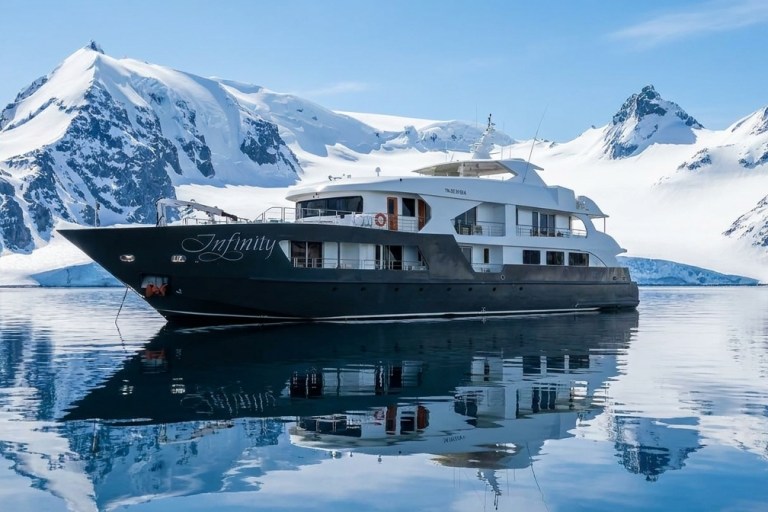
- Vessel reality: you need a polar-ready, ice-capable expedition yacht — not a warm-water motor yacht sent south for the season.
- Book early: the polar-ready fleet is tiny; reserve 12 to 18 months before you sail.
For most first-time Antarctic charters, we steer guests toward November. You get fresh snow, dramatic ice, active penguin courtship, and the settled early-season weather that makes the Peninsula comfortable. We recommend February only when whales are the whole point of the trip, or when you want to push south to the Antarctic Circle where the ice has retreated furthest.
The two months are genuinely different trips. November is about landscape and courtship. February is about wildlife density and open water. Neither is wrong — but they suit different crews, and the wrong choice leaves people disappointed for reasons that were entirely predictable.
 Daniel Asmus, Owner, Charter Broker, Active CYBA Member, IYBA, ECPY at DMA Yachting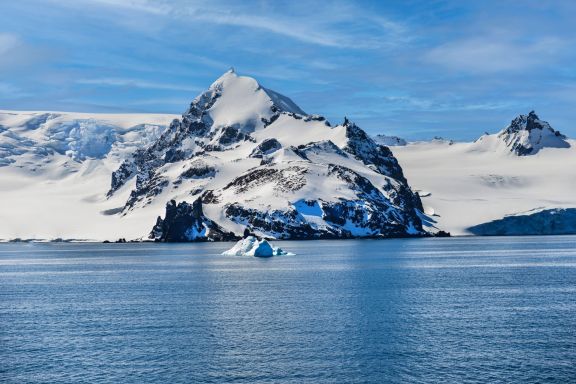
November vs February at a glance
The tradeoffs that actually matter
| Month | Best for | Not ideal for | Ice & access |
|---|---|---|---|
| November | Pristine snow, penguin courtship, sunrise/sunset light, settled early weather | Whale-focused crews, deep-south Circle crossings | More ice; some southern anchorages still closed |
| February | Peak whale numbers, lowest sea ice, longest open-water reach | Guests wanting untouched snow; anyone nervous about unsettled weather | Sea ice at its lowest; Antarctic Circle feasible |
The single most important line here is access. In November the landscape is at its most striking, but more ice means some southern anchorages and channels are still closed. By February the ice is at its lowest, opening more shorelines and making an Antarctic Circle crossing realistic.
Why we lean toward November for first-timers
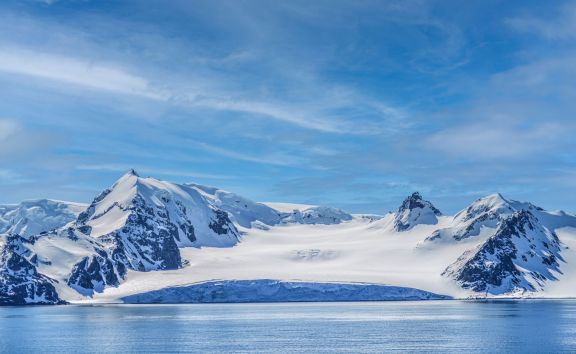
November gives you Antarctica at its cleanest. Snow is fresh and unmarked, the ice is heavier and more sculptural, and you get real sunrises and sunsets — light that vanishes near the December solstice when it barely gets dark. Penguins are pairing up and nesting, which is a busier, more animated scene than most people expect.
It also tends to be the more settled end of the season on the Antarctic Peninsula. That matters more than it sounds. Almost everything you do here is zodiac and tender work — cruising glacier faces, ice floes, and shorelines — and calmer conditions mean more landings actually happen rather than getting scrubbed.
 Chris de Kock, Charter Broker, Sales Broker, Active CYBA Member at DMA Yachting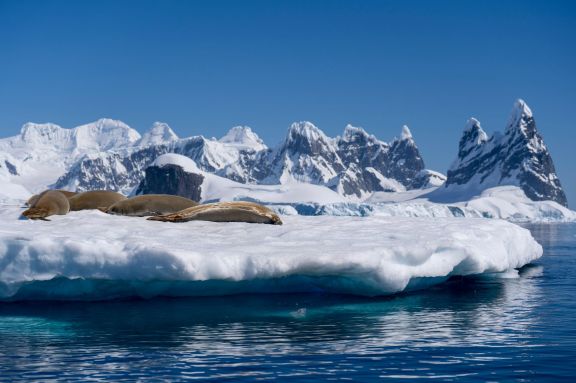
When February is the right call
Book February if whales are non-negotiable. By late season, whale numbers peak and sightings become a daylong activity rather than a lucky moment. This is also when penguin chicks are molting their down and getting ready to fledge — a different, scruffier stage than November’s courtship.
February is also the month for reach. With sea ice at its lowest, more of the Peninsula opens up and an Antarctic Circle crossing becomes feasible. If your ambition is to go as far south as a yacht sensibly can, this is your window.
The boat matters more here than anywhere
The Peninsula requires a polar-ready, ice-capable expedition yacht — not a warm-water motor yacht repositioned south for the season. Most private charters depart from a southern gateway in Argentina or Chile and must comply with strict Antarctic and environmental rules, including IAATO authorization through the operator’s country or the vessel’s flag state.
The suitable fleet is small, which is why dates and vessels get reserved a long way out. When you enquire, we’ll confirm which ice-capable yachts are committed to the Peninsula for your specific dates, and check each vessel’s polar suitability and ice classification before you commit — this is not a detail to take on trust. Licensed small expedition ships can also be chartered as full-ship buyouts when a larger group needs the range and stability. You can see what suits your group across our luxury yachts and browse the wider best locations we place clients in.
Budget the full picture, not just the base rate. Motor-yacht APA runs 30 to 40 percent of the base fee, crew gratuity typically 10 to 15 percent, and Antarctica’s remoteness pushes the all-in premium to roughly 50 to 65 percent over base. If you want to see the sea-and-mountains version, Patagonia works well as an overland add-on before or after the crossing — ask us and we’ll build it around your dates. For colder-water charters outside Antarctica, our Arctic and Nordic and Alaska programs run on the same expedition logic.
 Marcelle Hailwax, Charter Broker at DMA Yachting
FAQ
Is November too early for wildlife in Antarctica?
No. November is prime for penguin courtship and nesting, and the landscape is at its most dramatic. What you won’t get are peak whale numbers — those build through the season and top out in February.
Which month has the best chance of reaching the Antarctic Circle?
February. Sea ice is at its lowest then, which makes a Circle crossing feasible and opens more of the southern Peninsula that heavier November ice can still block.
Why do you flag February as risky?
The January-into-February stretch is an unsettled weather window. February can still deliver a superb trip on the right boat — but you need a vessel committed to the Peninsula for your dates.
How far ahead should I book an Antarctic charter?
Reserve 12 to 18 months before you sail. The ice-capable fleet is very small, and the best boats and dates go early.
Can I combine Antarctica with Patagonia?
Yes. Because most charters depart from a southern gateway in Argentina or Chile, Patagonia makes a natural overland add-on for a sea-and-mountains itinerary before or after your voyage. Tell us your dates and we’ll structure it.
Plan Your Charter With Real Experts
Tell us how you like to travel and our charter team will hand-pick the right crewed yachts, dates and route — no obligation.
Our Top Recommendations
We put these shortlists together because most travellers don’t need to weigh up every yacht on the water — just the handful that consistently get this kind of trip right. Each guide below digs into the boats, the best months to go, and the trade-offs worth knowing before you book.



















 iMessage
 WhatsApp




































