Quick answer
- Strictest of all: the Galápagos — hull inspections, fumigation certificates, a multi-agency boarding party, and park-approved routes only.
- Highest fees in the Indo-Pacific: Palau, which inspects galley stores and confiscates prohibited food on arrival.
- Permit-and-ranger controlled: Raja Ampat and Komodo, where rangers run random checks at sea during the November to April peak.
- UNESCO ranger slots: Hanifaru Bay (Maldives) and Fakarava (French Polynesia) — snorkel-only, timed access.
- IAATO and treaty rules: Antarctica, with strict biosecurity and landing limits on the Peninsula.
- What it changes for you: provisioning, departure timing, and yacht choice — all handled before you sail if a broker pre-vets the itinerary.
The single strictest remote charter destination we deal with is the Galápagos. It demands hull-fouling inspections, fumigation and sanitation certificates, an approved eastern or western route, certified naturalist guides, and a permit applied for at least 60 days before arrival. Palau, Raja Ampat, Komodo, the Maldives’ UNESCO zones, and Antarctica follow in roughly that order — strict, but workable with the right preparation.
None of this should put you off. These rules exist because the wildlife is the reason you are going. The point of this article is to tell you exactly what each destination expects, what it changes for your trip, and why a broker who briefs the captain in advance matters more here than anywhere else.
 Chris de Kock, Charter Broker, Sales Broker, Active CYBA Member at DMA Yachting
The strictest we handle
Galápagos: the gold standard for biosecurity
A yacht entering Galápagos waters is met by a team that may include the Port Captain, Immigration, Biosecurity (ABG), National Parks, and Health officials. Before that, the vessel needs a clean hull. Arrive with fouling and you are likely to be turned away and sent at least 60NM offshore to clean, then charged a USD $150 re-inspection fee on your return.
The yacht must also carry a Hull Inspection Certificate, a Fumigation Certificate (around US$150), and a sanitation certificate, all obtained in the last port before departure. As an air passenger you complete an online SICGAL goods declaration up to 48 hours before flying, then carry the QR code with you.
Catamarans



Palau: the highest fees, the toughest galley check
Palau treats recreational yachts as a very high biosecurity risk for hull fouling, because they move slowly and lack the commercial pressure to keep hulls immaculate. Encrusting organisms — barnacles, sponges, tunicates, bivalves — can establish invasive species that outcompete native marine life, so the scrutiny is real.
You need a permit before importing any plants, animals, or food products. A biosecurity officer inspects galley stores on arrival, and prohibited goods are confiscated, bonded on the vessel, or re-exported at the owner’s cost. Fail to declare something and you face fines. Palau’s entry fees remain the highest in the entire Indo-Pacific, and a November 2025 biosecurity workshop in Koror signalled the country is tightening, not relaxing, these controls.
 William Mc Nally, Charter Broker, Associate CYBA Member at DMA Yachting
Raja Ampat and Komodo: permits, park fees, and ranger checks at sea
Indonesia’s protected parks are less about hull inspection and more about permits and conservation fees. For Raja Ampat you pay a Marine Park Entry Permit (around USD $62 for international visitors), plus a separate Visitor Entry Ticket of IDR 300,000 that funds ports and waste management. The marine park revenue protects 2.9 million hectares — and it works: fish biomass has risen 250% since the protected area was established.
The catch is enforcement. Rangers run random checks at sea, especially during the November to April peak. If your paperwork is not in order, a dive can be delayed or cancelled outright. Most operators fold permits, harbour, mooring, and local guide costs into a fixed $100–$200 fee, but it has to be arranged before you sail. Komodo charters usually start and end at Labuan Bajo, where entry permits and ranger arrangements are organised.
Catamarans


Maldives, French Polynesia, and Antarctica: UNESCO and treaty rules
Some destinations are strict in a quieter way — through protected-zone management rather than hull scraping. Hanifaru Bay in Baa Atoll, a UNESCO Biosphere Reserve, is snorkel-only with ranger-managed time slots for manta encounters. You cannot dive it, and you cannot rush it. Fakarava in French Polynesia carries the same UNESCO designation, and the pace of a charter there reflects it.
Antarctica sits in its own category. Vessels on the Peninsula must comply with strict Antarctic Treaty and IAATO environmental rules — decontamination of clothing and gear, landing-party size limits, and wildlife distance rules. This is why an Antarctic charter only works on a properly equipped expedition vessel with a captain and crew who run these protocols routinely.
For a gentler introduction to protected-wilderness cruising, the Maldives and French Polynesia are good first steps — strict where it matters, but without the certificate burden of the Galápagos.
 Marcelle Hailwax, Charter Broker at DMA Yachting
What this changes for your charter — and which boats fit
The hard rule across all of these regions: the strictest destinations shrink the available fleet. Only certain vessels hold the permits, the certificates, and the captains who know the procedures. That is the real reason we recommend committing early — not to rush you, but because the right boat for a permit-controlled region is genuinely scarce.
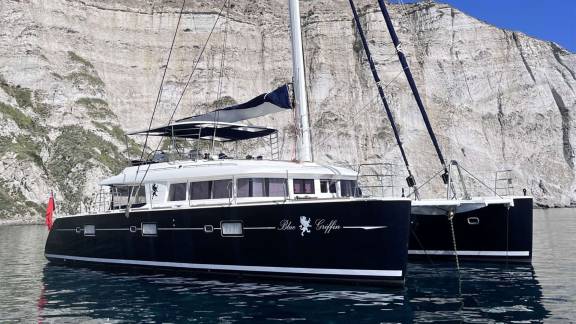
For remote expedition routes, shallow-draft catamarans earn their place. They reach reefs, lagoons, and inshore anchorages that deep-draft superyachts cannot. Among the boats we place, ARKTOS (a 23.8m catamaran from USD 70,000–96,000 per week) and BABAC (a 23.2m Lagoon from USD 57,000 per week) suit this kind of cruising well, while BLUE GRIFFIN from USD 35,000 per week is a sensible smaller option.
| Destination | Best for | Not ideal for | Lead time |
|---|---|---|---|
| Galápagos | Serious wildlife travellers who plan ahead | Last-minute or spontaneous trips | 60+ days for permits |
| Palau / Raja Ampat | Divers and reef-focused charters | Anyone who skips provisioning discipline | Several months |
| Maldives / French Polynesia | First-time protected-zone cruising | Guests wanting unrestricted reef access | Months ahead in season |
| Antarctica | Expedition travellers on equipped vessels | Standard charter yachts | 12–18 months before sailing |
Browse the catamaran fleet or the yachts under $60k if budget is your starting point. For more on planning these trips, see our charter insights.
FAQ
Which remote charter destination has the strictest biosecurity?
The Galápagos. It requires hull-fouling inspections, fumigation and sanitation certificates, park-approved eastern or western routes, certified naturalist guides, and a cruising permit applied for at least 60 days before arrival. A multi-agency team boards the yacht on entry.
What happens if my yacht arrives in the Galápagos with hull fouling?
You are likely to be denied entry and required to sail at least 60NM offshore to clean the hull and fittings before attempting re-entry. A re-inspection fee of USD $150 is then charged. This is why the hull is cleaned and certified in the last port before departure.
Do I need to do anything personally for Galápagos biosecurity?
Yes. Travellers aged 18 and over complete a mandatory online goods declaration up to 48 hours before departure, reporting food, plants, seeds, camping gear, or recent animal contact. You receive a QR code by email to present on arrival.
Will biosecurity rules disrupt my Raja Ampat charter?
Not if the paperwork is in order. Rangers run random checks at sea during the November to April peak, and missing permits can delay or cancel a dive. Most operators bundle the marine park permit, visitor ticket, and local fees into a fixed $100–$200 charge arranged before you sail.
How far ahead should I book a permit-controlled destination?
For the Galápagos, allow at least 60 days for the permit alone. For Antarctica, plan 12 to 18 months before sailing because suitable expedition vessels are scarce. For Raja Ampat, Komodo, and Palau, several months ahead is sensible — the limited fleet cleared for these regions books out in peak season.
More yachts available for this charter
Motor yachts


Catamarans


Plan Your Charter With Real Experts
Tell us how you like to travel and our charter team will hand-pick the right crewed yachts, dates and route — no obligation.
Our Top Recommendations
We put these shortlists together because most travellers don’t need to weigh up every yacht on the water — just the handful that consistently get this kind of trip right. Each guide below digs into the boats, the best months to go, and the trade-offs worth knowing before you book.



















 iMessage
 WhatsApp




































