Quick answer
- Expedition catamarans (Galápagos, Raja Ampat): $11,000–$96,000/week base, with top-spec boats in the $60,000–$96,000 range, before APA and taxes.
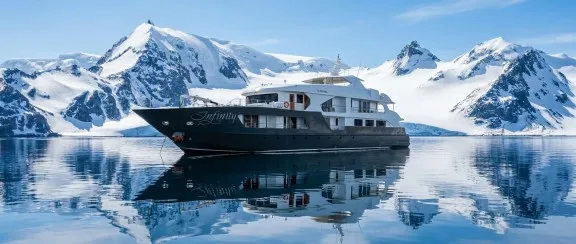
- Expedition motor yachts (Alaska, Patagonia): $42,000–$80,000/week base for most 14–20 guest boats.
- Full-spec explorer superyachts: from around $350,000/week and up.
- Antarctica two-week charters: $800,000–$1.8 million all-in; heli-supported Arctic exceeds $4 million.
- The real number: add roughly 45% on top of the base rate for APA, fuel, gratuity and taxes.
- Fuel warning: on large expedition yachts, diesel alone can exceed the entire APA.
 Thomas Merlier, Charter & Sales Broker at DMA Yachting
For most guests, a fully crewed expedition charter starts around $11,000 per week for a smaller catamaran in the Galápagos, with top-spec catamarans running $60,000–$96,000, and climbs into the hundreds of thousands for a true explorer superyacht in Alaska or Antarctica. The base weekly rate is only the beginning. Plan on adding roughly 45% on top for APA, fuel, crew gratuity and taxes.
The confusion first-time clients feel is real, and it’s mostly about one thing: the headline weekly price you see quoted covers only 60–70% of what you’ll actually spend. Below is exactly where the rest of the money goes, and what each line buys you.


The starting numbers
What the base weekly rate actually is
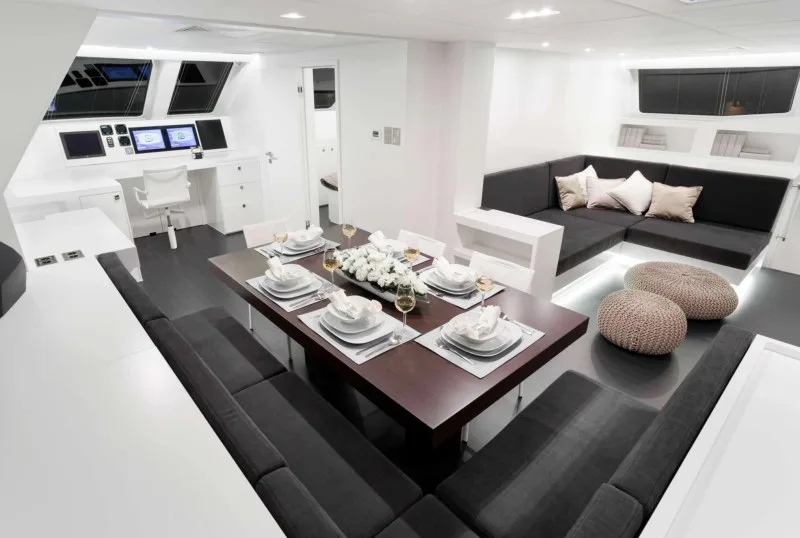
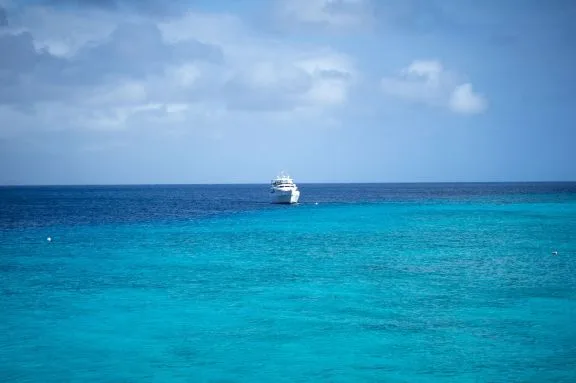
Expedition charter means a self-sufficient yacht built for range and remote cruising, typically hosting 12–20 guests. What that costs depends heavily on the region and vessel type.
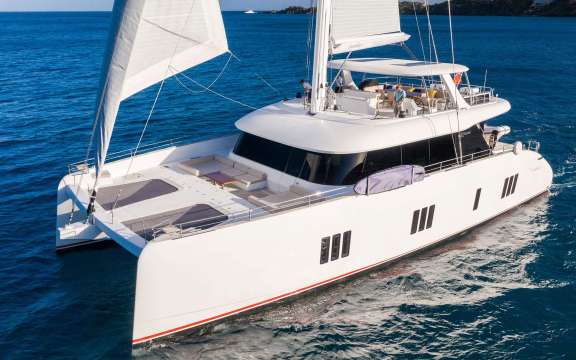
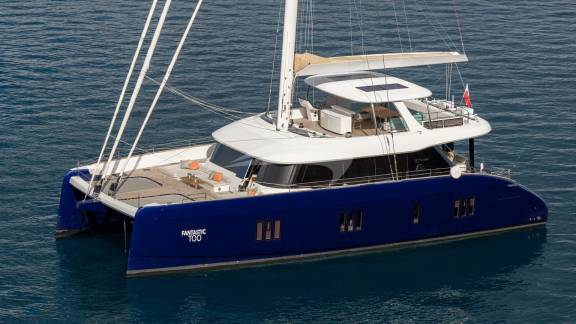
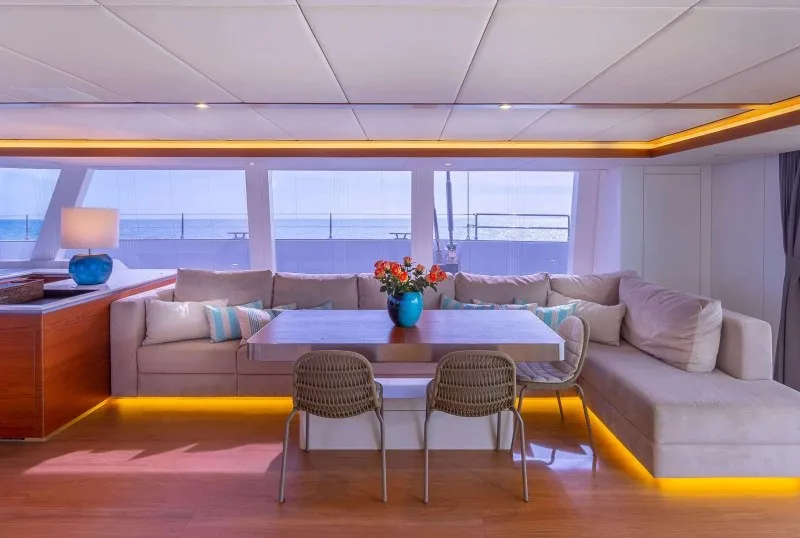
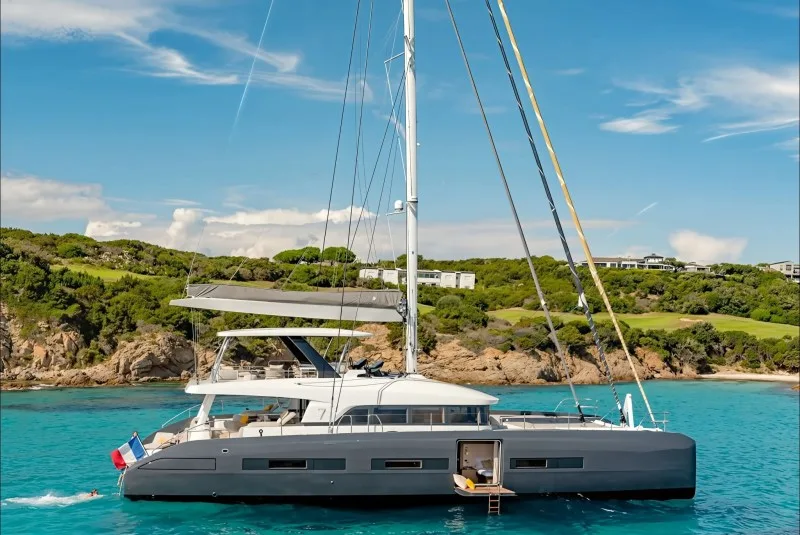
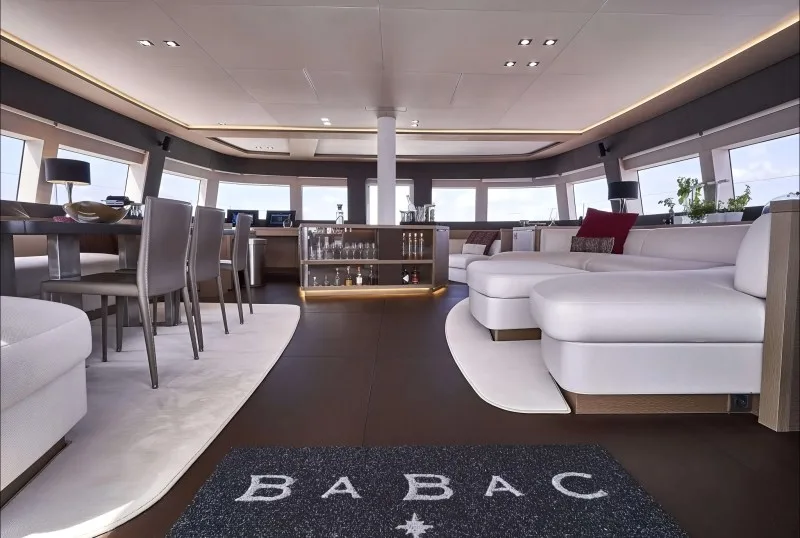
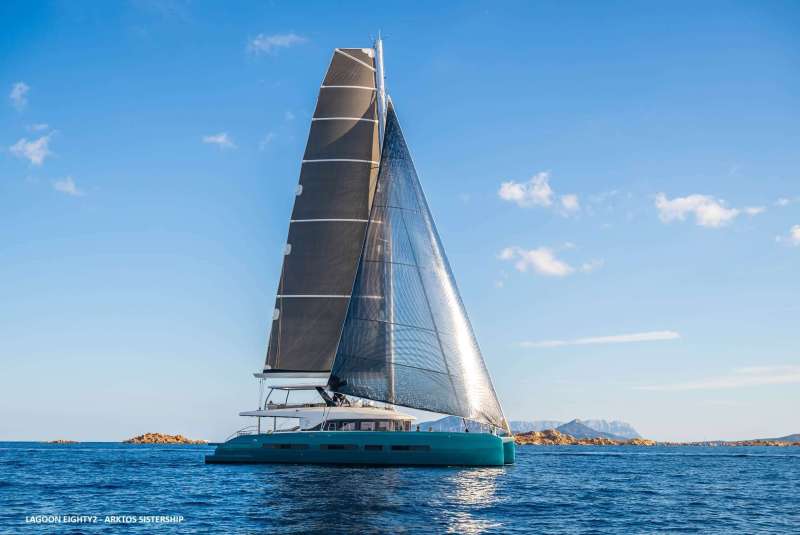
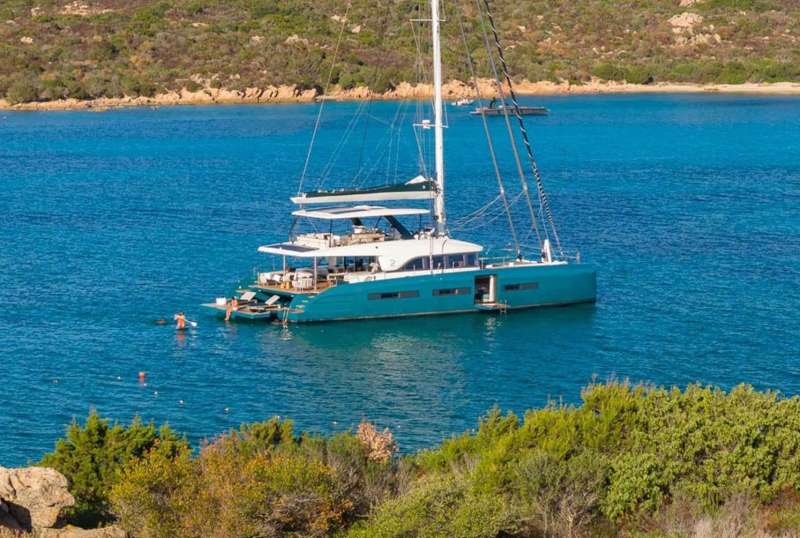
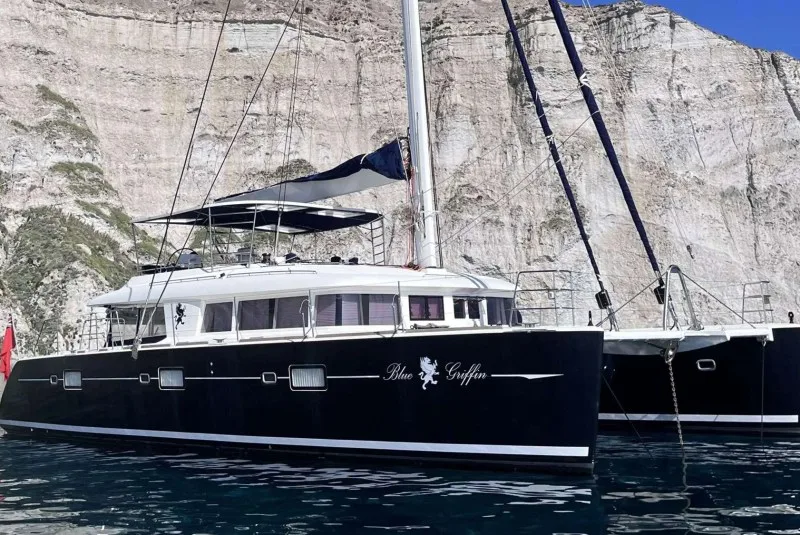
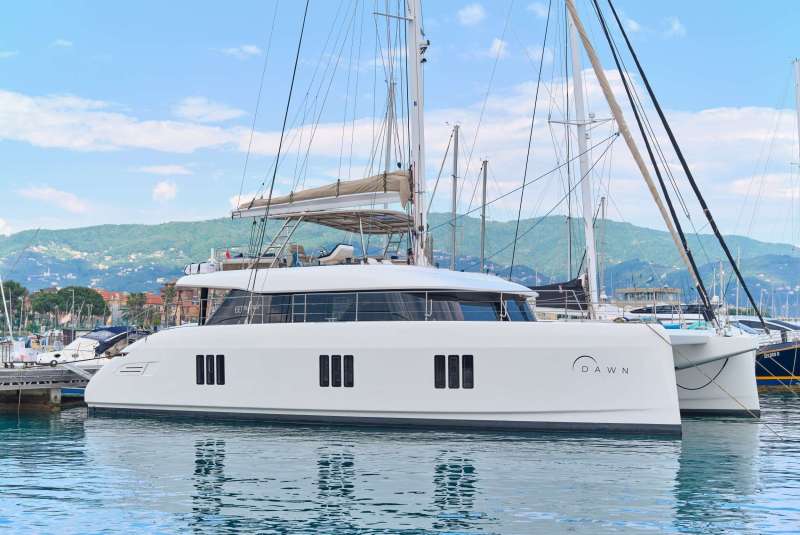
In the Galápagos and Raja Ampat, expedition-style power catamarans are the main yacht type. Our current expedition fleet lists catamarans from $11,000 to $96,000 per week and motor yachts from $42,000 to $80,000 per week — base rate, before expenses. The floor covers smaller and shoulder-season boats; a top-spec catamaran with a naturalist guide and full crewed service sits nearer the top of that range.
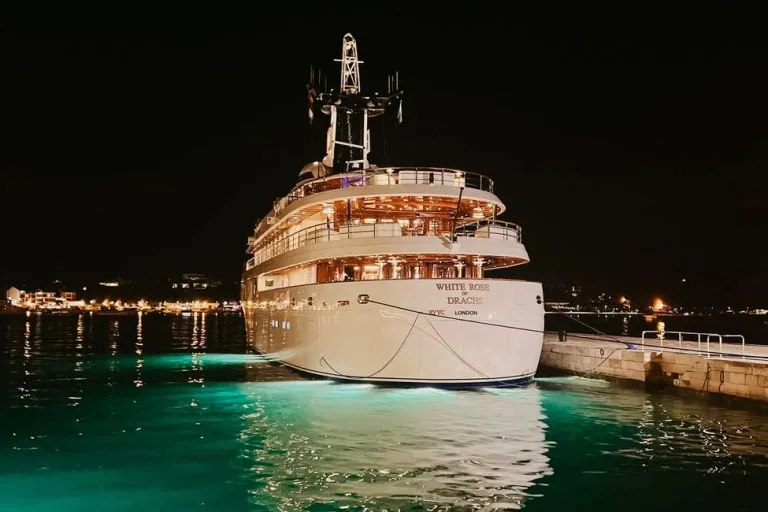
Move up to full-spec explorer superyachts — the ones with stabilisers, a spa, a helideck and proper polar capability — and you’re in a different tier. Boats at this level start from around $350,000/week, and the largest builds run into the millions.
 Louis Lamprell, Charter Broker, Active CYBA Member at DMA Yachting
What’s included — and what’s never included
The base rate covers the yacht, the full crew, and basic insurance on the vessel itself. It does not cover fuel, food, drinks, dockage, park fees or taxes. Those run through the APA.
APA — the Advance Provisioning Allowance — is a running expense float you pay before the charter. It typically adds 25–35% on top of the base fee: closer to 20–30% on sailing yachts, 30–35% on displacement motor yachts, and 35–40%+ on fast planing boats. A $100,000 base rate carries roughly $30,000–$35,000 in APA. Whatever the crew doesn’t spend, you get back.
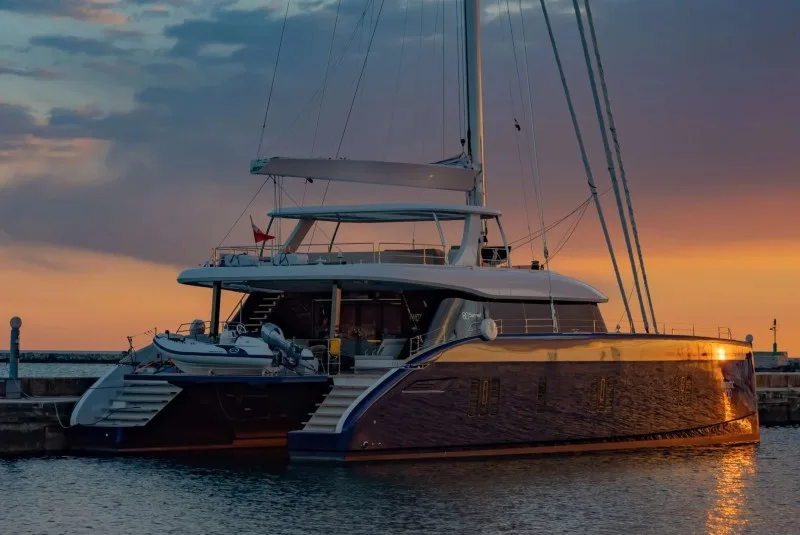
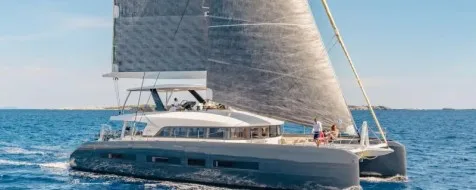
Catamarans
The all-in math: base + APA + gratuity + tax
Here’s the rule we give every client. On a plus-expenses charter, budget around 30% APA and 10% crew gratuity on top of the base fee, before any regional tax. So a $100,000 base rate becomes roughly $140,000 all-in before tax — meaning the base is about 70% of your pre-tax total. Add regional VAT and the base share drops further. Gratuity can run higher than 10% for exceptional service, so treat 10% as your planning floor.
| Line item | What it buys | Typical size | Where clients trip up |
|---|---|---|---|
| Base fee | Yacht + crew + insurance | ~70% of pre-tax total | The headline number |
| APA | Fuel, food, drink, dockage, fees | 25–35% of base | Fuel can blow past this on big boats |
| Gratuity | Crew tip for service | 10%+ of base | Budget 10% as a floor, not a ceiling |
| VAT / tax | Jurisdiction charge | 0–24% | Varies sharply by region |
Tax is where jurisdiction matters. The Bahamas now applies a 14% combined charter tax as of July 2025. Mediterranean VAT ranges from 20% in France to 24% in Greece. In remote expedition regions the tax structure differs again — and contract structure can genuinely save money. Where the rules allow, the port a charter starts or ends in can change which VAT regime applies, so it pays to have that conversation before the contract is drawn up rather than after.
 Jessica Edmunds, Charter Broker at DMA Yachting
What swings the total by six figures
Region. Alaska and the polar regions cost more because the yachts are heavier, thirstier and rarer. A 150ft yacht in Alaska can run $150,000–$200,000/week. Antarctica is another level: a typical two-week Peninsula expedition runs $800,000–$1.8 million all-in, and premium Arctic charters with helicopter support pass $4 million.
Season. Never compare a low-season rate to a high-season rate for the same yacht — the swing is large. Low-season rates can run 30–38% below peak. In Antarctica, a November or March shoulder charter is often 20–40% cheaper than the mid-December to February high season. The Christmas premium (roughly December 20 to January 3) is the most expensive window of the year.
Three realistic scenarios for 2026
Family of 8, Galápagos, one week. A top-spec expedition catamaran with naturalist guide, base around $85,000, plus roughly 30% APA, park fees and 10% gratuity. All-in lands near $130,000–$145,000 before any local tax. Browse comparable options under $100k.
Group of 12, Alaska, ten days. A comfortable expedition motor yacht with good range and reliable tenders, base $42,000–$80,000/week. Add APA, high fuel from long fjord transits, and gratuity, and a ten-day trip lands comfortably in the $90,000–$160,000 range depending on the boat. See our large-group charters.
Couple or family, Antarctica, two weeks. This is the top of the market. Even entry-level polar-capable charters start around $50,000/week, but a proper Peninsula expedition on an ice-ready yacht is $800,000–$1.8 million all-in. This is not a trip to build around a shoulder-season bargain unless you know the tradeoffs. Compare the high-end fleet.
What we recommend
For a first expedition charter, we usually steer clients toward a Galápagos or Raja Ampat catamaran or an Alaska expedition yacht. You get real remote cruising, specialist guiding and full crewed service without the polar cost ceiling. Budget the base rate plus roughly 45%, and treat that all-in figure — not the headline — as your number.
We’d avoid comparing quotes on base rate alone, and we’d avoid building a polar trip around a low-season price you don’t fully understand. If you tell us the region, dates and group size, we’ll give you a genuine all-in figure rather than a headline that grows by nearly half once the contract lands. Read more in our charter insights or explore the best expedition locations.
FAQ
How much do I add to the base rate for the real total?
Budget around 45% on top of the base weekly rate before regional tax: roughly 30% for APA and 10% for crew gratuity, with the rest covering the fact that gratuity and expenses often run a little higher than the floor. Then add whatever VAT or charter tax applies in the region.
What is APA and do I get any of it back?
APA is a running-expenses float paid before the charter, covering fuel, food, drinks, dockage and fees — usually 25–35% of the base rate. The crew tracks spending, and whatever isn’t used is returned to you at the end of the trip.
Why is Antarctica so much more expensive than the Galápagos?
Polar charters need ice-capable or polar-ready yachts, which are rare and costly to run. A two-week Peninsula expedition runs $800,000–$1.8 million all-in, versus roughly $130,000–$145,000 for a week on a top-spec Galápagos catamaran. Fuel, logistics and specialist crew drive the gap.
Does the gratuity really matter to the total?
Yes. Crew gratuity is customary and typically starts at around 10% of the base rate, so it is a real line, not a rounding error. On a large yacht that can be tens of thousands of dollars, and exceptional service often prompts more — budget 10% as a floor rather than a ceiling.
How far ahead should I book an expedition charter?
For prime seasons and the small number of suitable expedition yachts, we generally advise booking well ahead — often a year or more before you sail. Polar and Galápagos slots in particular are limited, and the best boats and dates tend to go early. If your trip is only a few months away, options narrow quickly, so talk to us early and we’ll tell you what’s genuinely still open.
More yachts available for this charter
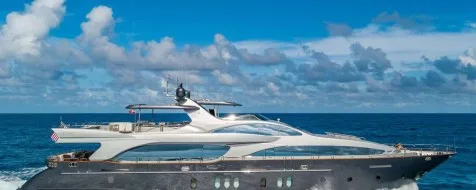
Motor yachts

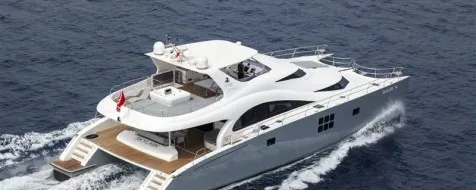
Catamarans

Plan Your Charter With Real Experts
Tell us how you like to travel and our charter team will hand-pick the right crewed yachts, dates and route — no obligation.
Our Top Recommendations
We put these shortlists together because most travellers don’t need to weigh up every yacht on the water — just the handful that consistently get this kind of trip right. Each guide below digs into the boats, the best months to go, and the trade-offs worth knowing before you book.














 iMessage
 WhatsApp