Quick answer
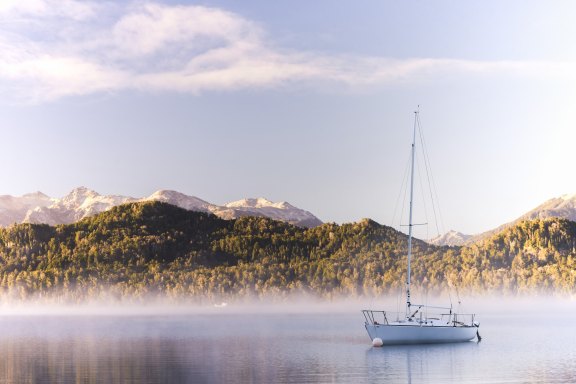
- Best for most guests: June to August, for ~20 hours of daylight, the midnight sun in the far north, and reliable sailing winds.
- Best value: May and September run 20 to 30 percent cheaper than high summer, with snow still on the peaks.
- Northern lights: Late September, when dark nights return but the weather hasn’t turned bitter.
- Avoid: January and February — unsettled weather, and many yachts leave the region entirely.
- Pack for cold: Norway is cold even in summer. This is a layers-and-waterproofs charter, not a swimsuit one.
- Trip length: 7 to 10 days for the western fjords; 14+ for Lofoten or a Svalbard push.
 Louis Lamprell, Charter Broker, Active CYBA Member at DMA Yachting
For most guests, charter Norway from June to August. That window gives you near-endless daylight, the midnight sun in the far north, settled-enough weather, and the warmest temperatures of the year — and it is when the fjords genuinely come alive. We steer most first-time guests here.
The shoulder months, May and September, are the smart alternative if you want the same scenery with fewer cruise ships and a lower bill. September has a second draw: the return of dark nights and a real chance at the northern lights. What we would not do is build a fjord charter around deep winter — by January and February the weather is unsettled and a good part of the suitable fleet has already moved south.


Summer (June to August): the season most guests should book
This is peak Norway, and for good reason. Temperatures sit around 15 to 25°C, you get roughly 20 hours of usable daylight, and north of the Arctic Circle the sun simply doesn’t set. The midnight sun north of the Arctic Circle runs from roughly late May to mid or late July — it means dinner at midnight on deck in full light, and a captain who can keep cruising when other destinations would have called it a night.
The trade-off is crowds and price. Summer is one of the most popular charter seasons anywhere, alongside Sardinia and the Amalfi Coast, and the most striking fjords — UNESCO-listed Geirangerfjord and Nærøyfjord — draw real cruise-ship traffic. A good captain plans the day around that, hitting the famous spots early and disappearing into a quiet anchorage while the day boats arrive.
 Chris de Kock, Charter Broker, Sales Broker, Active CYBA Member at DMA Yachting
Best value and best aurora
Shoulder season (May and September): quieter water, better rates
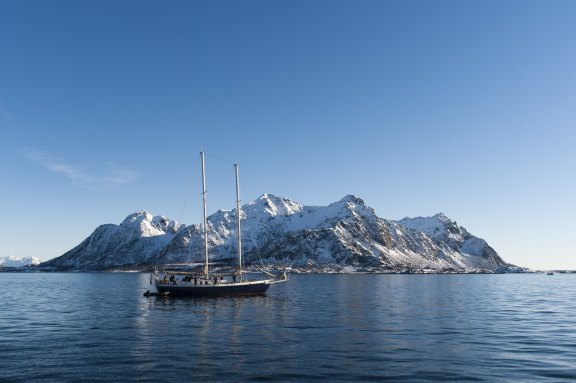
May and September are our pick for guests who want the scenery without the summer scrum. Snow lingers on the high peaks, the valleys are green, and rates — both for the yacht and for shore activities — run 20 to 30 percent below high summer. There are fewer cruise ships in the headline fjords, which changes the feel of a morning at Geiranger entirely.
September has the edge for one specific reason: the dark nights come back. It is a prime window for the northern lights without the deep cold of true winter, which means you can chase the aurora from a warm yacht and still kayak a calm anchorage by day. If aurora is your priority, sail late September and head north.
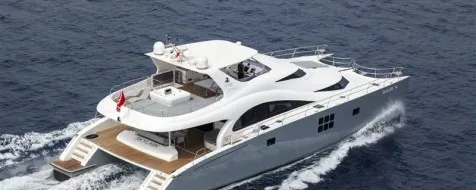
Catamarans

Which season suits which guest
The honest matching matters here more than in a warm-water destination, because the weather genuinely changes the trip.
| Season | Best for | Not ideal for | Price vs peak |
|---|---|---|---|
| June–Aug (summer) | First-timers, families, midnight sun, longest cruising days | Anyone wanting empty fjords or lowest cost | Highest |
| May / early Sept | Value, photography, fewer ships, lingering snow | Guests set on warm swimming or guaranteed aurora | 20–30% lower |
| Late September | Northern lights without deep winter cold | Long, warm beach days | 20–30% lower |
| Jan–Feb (winter) | Very few — most fleet has left | Almost everyone | N/A — we’d avoid |
If you want flat-water lounging and reliable sunshine, charter the Maldives or French Polynesia instead. Norway is about glacial fjords, whales, and dramatic light — not swimming. If it’s the polar end of the spectrum you’re chasing, look at Alaska’s glacial fjords, which sit in the same expedition family.
 Carina Isenberg, Charter Broker at DMA Yachting
The yacht and crew matter more than the month
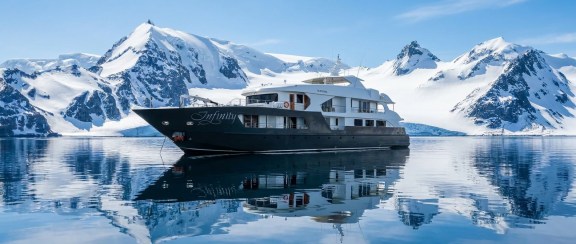
Norway is an expedition-style cruise: remote anchorages, cold water, glacier faces, and long days. That rewards a rugged, full-spec yacht with good range and reliable tenders for the Zodiac runs to ice and shoreline, plus kayaks and paddleboards for the quiet inlets. Sognefjord alone stretches more than 200 km inland — you want a vessel that’s comfortable covering distance.
What actually makes or breaks the week is the crew. In wild cruising grounds, crew quality outweighs yacht condition every time — breakdowns happen, but a capable captain reads the weather, repositions around the cruise-ship schedule, and finds the anchorage that turns an ordinary day into the trip of a lifetime. The kind of full-spec expedition yacht that suits these waters comes with that calibre of crew as standard.
On budget: a fully crewed charter in Norway (30 m and up) starts around $50,000 per week and climbs from there. Norway’s VAT treatment for yacht charter is not a flat figure you should assume — it depends on the route, the days spent in Norwegian waters, and how the charter is structured, so we confirm the exact cost in writing before you commit. On top of the base rate, expect an APA (advance provisioning allowance) of 20 to 30 percent and crew gratuity — together these typically add roughly 30 to 40 percent to the headline rate. Tell us your dates and the kind of week you want, and we’ll match you to the right expedition yacht for the route, with the full cost laid out clearly.
FAQ
When is the best time to charter a yacht in Norway?
June to August for most guests — longest daylight, midnight sun in the far north, and the warmest, most settled weather. May and September are the best-value shoulder months, and late September is the prime window for the northern lights.
Can you see the northern lights on a Norway yacht charter?
Yes, from late September onward, once the dark nights return. September is the sweet spot — dark enough for aurora, but before the deep winter cold. Head north for the best odds, and keep your dates flexible since the lights are never guaranteed.
How long should a Norway fjords charter be?
7 to 10 days covers the western fjords comfortably. Allow 14 days or more if you want to reach Lofoten or push toward Svalbard, where distances and weather windows demand a longer, more flexible programme.
Is it warm enough to swim in the Norwegian fjords?
Not really. Even in peak summer, coastal temperatures sit around 15 to 20°C and the water stays cold. Norway is a destination for kayaking, wildlife, glacier excursions and scenery — not beach swimming. If sunbathing is the goal, choose a tropical charter instead.
Do I need to handle the yacht myself in Norway?
No. Every Norway charter we place is fully crewed — a professional captain and crew run the yacht, plan the route around the weather and cruise-ship traffic, and handle every qualification and permit. Your only job is to enjoy the trip.
More yachts available for this charter
Motor yachts
Catamarans
Expedition yachts
Plan Your Charter With Real Experts
Tell us how you like to travel and our charter team will hand-pick the right crewed yachts, dates and route — no obligation.
Our Top Recommendations
We put these shortlists together because most travellers don’t need to weigh up every yacht on the water — just the handful that consistently get this kind of trip right. Each guide below digs into the boats, the best months to go, and the trade-offs worth knowing before you book.











 iMessage
 WhatsApp