Quick answer
- Pay the expedition premium when: your itinerary is Svalbard, Antarctica, Patagonia, or deep-wilderness Alaska, where an ice-class or long-range hull is the only thing that gets you there.
- Skip it when: your trip is warm-water and marina-close (Med, Caribbean, standard Maldives) and you just want comfort and space.
- Real expedition catamaran rates: roughly $9,500 to $96,000 per week base, before running costs.
- Full-spec expedition superyacht: think SuRi at $350,000/week; polar-ready vessels run higher still.
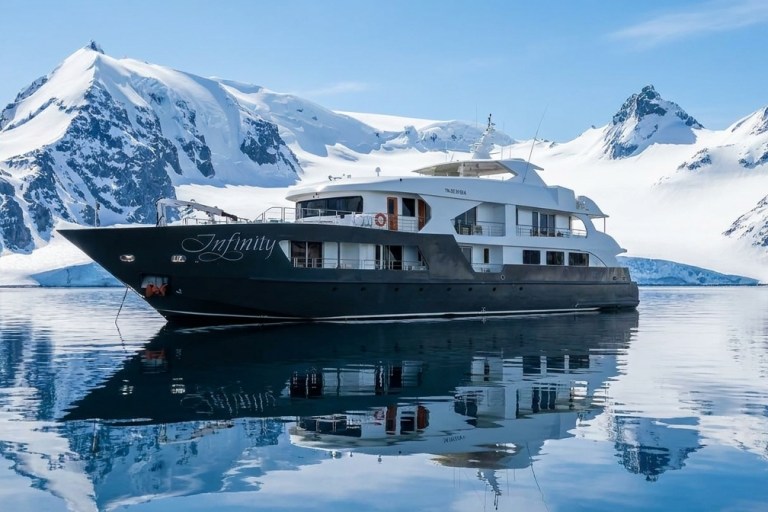
- What the premium buys: Zodiacs, dive compressors, ice-capable hull, specialist crew, and access no standard yacht can reach.
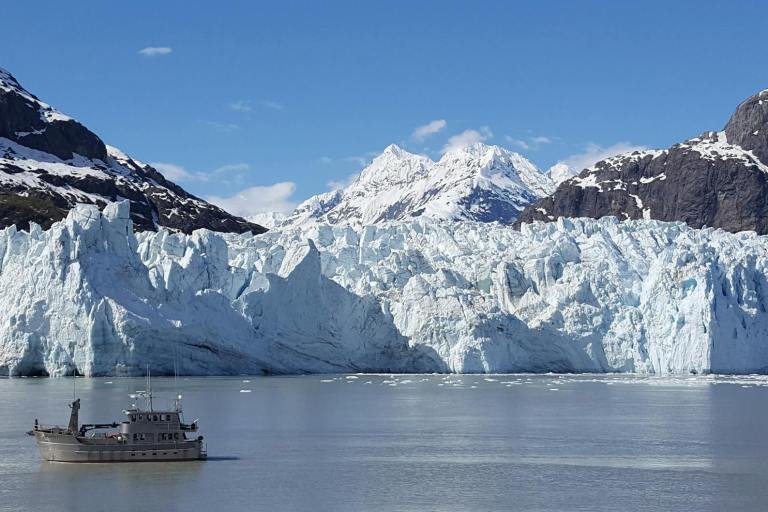
- Best first expedition charter: Alaska. Wild scenery, real privacy, and it suits a full expedition superyacht.
 Melissa Rondeau, Charter Broker at DMA Yachting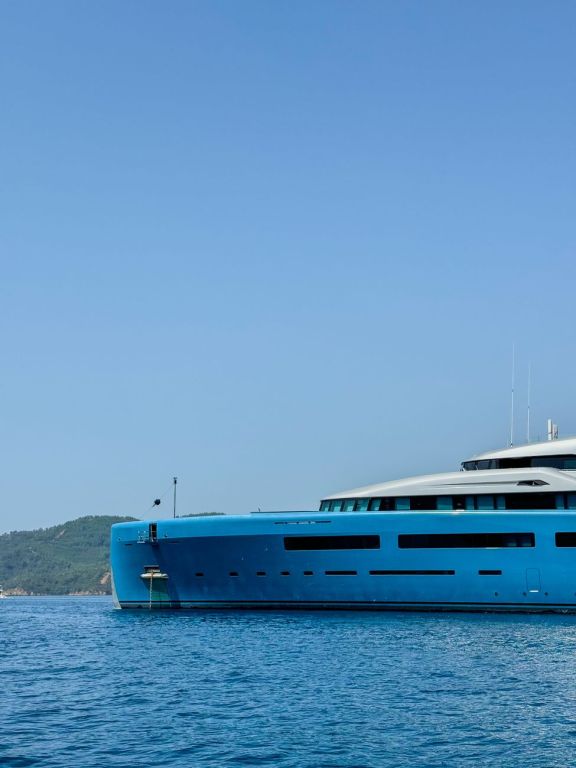
The verdict: is the expedition premium worth it?
For most guests, the expedition premium is only worth paying when the destination demands it. If you are going to Svalbard, Antarctica, Patagonia, the Galápagos, or the wild fjords of Alaska, a purpose-built expedition vessel is not an upgrade, it is the price of entry. A conventional superyacht physically cannot operate safely in those waters, and the ice-class hull, extended range, and specialist crew are what make the trip possible at all.
If your itinerary is warm water and close to marinas, the premium is harder to justify. A standard crewed superyacht in the Mediterranean or Caribbean gives you more interior volume, more deck space, and often better rates for the comfort you get. The expedition build only earns its keep when the map runs out of harbors.
Catamarans



What actually separates the two
An expedition yacht is a self-sufficient vessel built for range, rough water, and remote anchorages, typically hosting 12 to 20 guests. The spectrum runs from practical ice-capable boats to full-spec expedition superyachts with stabilisers, a heli deck, and luxury lounges. A conventional superyacht is built around comfort, entertaining, and coastal cruising, not endurance.
| Feature | Expedition yacht | Conventional superyacht |
|---|---|---|
| Hull | Ice-class or reinforced, long-range | Coastal, comfort-tuned |
| Toys | Zodiacs, dive compressors, kayaks, sometimes a heli | Jet skis, tenders, water toys |
| Crew | Expedition guides, dive masters, naturalists | Hospitality and service focused |
| Best for | Svalbard, Antarctica, Patagonia, Galápagos, Alaska | Med, Caribbean, warm-water cruising |
| Not ideal for | Marina-hopping and party-deck holidays | Ice, remote fjords, polar access |
 John Boullin, Charter Broker at DMA Yachting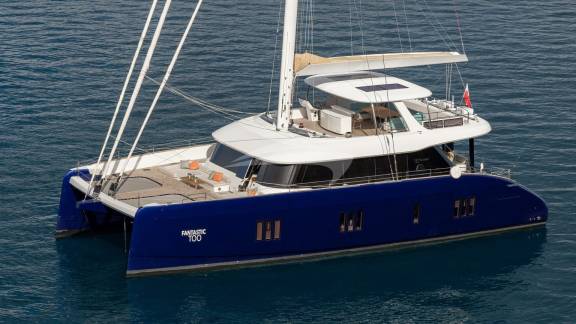
Real numbers
What the expedition premium costs
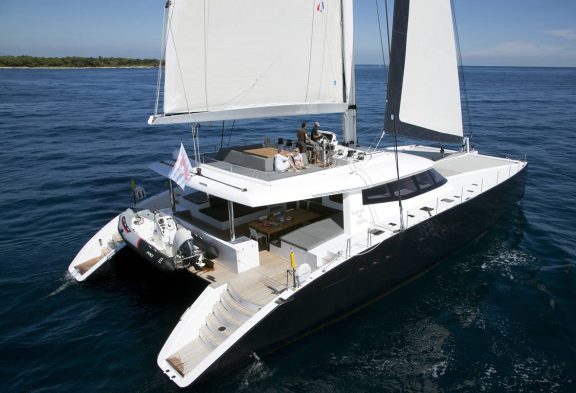
The expedition power catamarans we place run from around $9,500 to $96,000 per week at base rate, before APA and expenses. Expedition motor yachts sit higher, roughly $42,000 to $88,600 per week. At the top end, a full-spec expedition superyacht like SuRi (63.4m, 12 guests) starts at $350,000 per week.
For context, a conventional Mediterranean motor superyacht can run €400,000 to €1.2M per week. So the “expedition premium” is not always a higher number. It is a different number for a completely different capability. You can browse the range on our yachts under $100k and yachts under $250k pages to see where each type falls.
Catamarans


Which boat for which trip
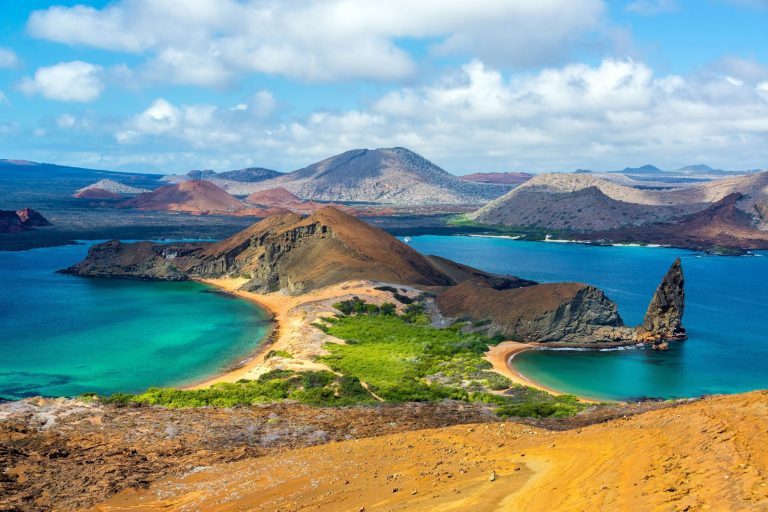
For Galápagos, expedition catamarans are the main vessel type. Standard 27 to 45m explorer power catamarans take up to 14 guests, with rates from roughly $40K to $60K+ per week. Boats like Levante (from $62,000/week) and Bundalong (from $75,000/week) sit squarely in this space and handle island-to-island distance and reliable tender work well.
For polar work in Antarctica or the Arctic and Nordic regions, you need a polar-ready, ice-capable vessel or a small expedition ship. This is where Arktos (from $70,000/week) and similar ice-minded boats matter. Sherakhan is available in Antarctica for the 2026/2027 winter season, and small expedition ships charter full-ship there too.
 Marcelle Hailwax, Charter Broker at DMA Yachting
Where clients get caught out
The single biggest competitor to an expedition charter is a luxury cruise ship. A good expedition cruise delivers roughly 90% of the wilderness experience with a fraction of the permitting and planning. The private charter has to justify itself on the things a cruise cannot give you: flexible scheduling, your own anchorages, and control over pacing. In remote zones, that control is the whole point.
The other trap is availability. Some expedition-style boats, including certain Sunreefs, have not committed to early 2027 Caribbean seasons, so the boat you want may simply not be where you want it. Expedition vessels relocate between regions each season, which means the yachts that suit a specific trip are a small set, and they get reserved early. If your dates are firm, decide on the region before you fall for a specific hull.
FAQ
How much does an expedition yacht charter to Antarctica cost?
A full-spec expedition superyacht in Antarctica starts around $350,000 per week for a boat like SuRi, and polar-ready vessels can run higher. Small expedition ships also charter full-ship. The exact figure depends on dates, vessel, and group size, so treat these as starting points rather than fixed rates.
Is an expedition yacht worth it for the Galápagos?
Yes. Expedition catamarans are the standard vessel type there, taking up to 14 guests at roughly $40K to $60K+ per week. The build gives you the range, tender reliability, and naturalist crew the itinerary needs. A conventional coastal yacht is the wrong tool for the distances involved.
Can a normal superyacht go to Svalbard?
We would not recommend it. Svalbard needs an ice-capable, long-range expedition vessel with the right crew and safety equipment. A standard superyacht lacks the hull and the endurance for that environment, and the premium for an expedition boat here is simply the cost of doing the trip safely.
What is the best first expedition charter?
Alaska. Glacial fjords, wildlife, and genuine privacy in remote scenery, with the comfort of a full expedition superyacht. It gives first-time expedition guests the wilderness payoff without the crossing demands of the polar regions.
More yachts available for this charter
Motor yachts


Catamarans


Plan Your Charter With Real Experts
Tell us how you like to travel and our charter team will hand-pick the right crewed yachts, dates and route — no obligation.
Our Top Recommendations
We put these shortlists together because most travellers don’t need to weigh up every yacht on the water — just the handful that consistently get this kind of trip right. Each guide below digs into the boats, the best months to go, and the trade-offs worth knowing before you book.



















 iMessage
 WhatsApp




































