Yacht Charters in the Tuamotus
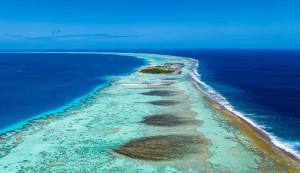
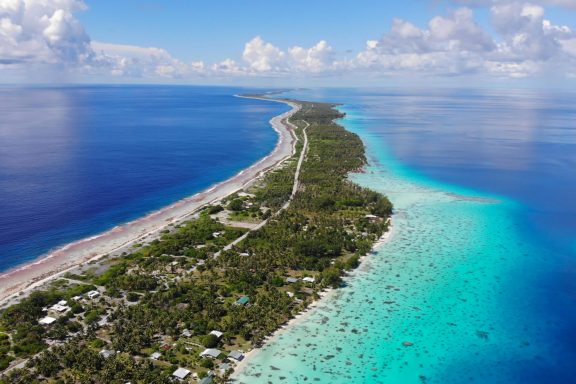
The Tuamotus are French Polynesia reduced to water, coral, light, and distance: low atolls, enormous lagoons, passes alive with marine life, and a charter rhythm built more around the ocean than the skyline. If the Society Islands are the postcard version of French Polynesia, the Tuamotus are the more elemental, water-first answer.
This part of our French Polynesia yacht charter offering usually begins with a domestic flight from Tahiti to Rangiroa or Fakarava. A crewed catamaran or power cat is often the best fit because shallow draft, deck space, and practical range matter more here than polished marina flow. The right guest for the Tuamotus cares about lagoon time, diving, snorkeling, motus, and real remoteness more than ticking off famous island names.
Best For
Divers, stronger swimmers, repeat French Polynesia guests, and remote-atoll seekers
Charter Style
Water-first atoll cruising shaped by passes, motus, and long lagoon days
Gateway
Tahiti to Rangiroa or Fakarava, depending on yacht and routing
Ideal Length
7 to 10 nights, with more time helping if you want more than one focus area
Best Yacht Fit
Crewed catamaran or power cat, where range and shallow access both matter
Best Window
May to October, with May, June, September, and October strongest. See the French Polynesia charter season guide.
Why Charter The Tuamotus?
Chartering the Tuamotus is less about island-hopping between famous peaks and more about choosing to live inside the water. The landscape is lower, quieter, and more abstract than in Bora Bora or Moorea, but that is exactly the point. The reward is not dramatic skyline every hour. The reward is the quality of the lagoon, the marine life, and the sense of reaching a place that still feels far away.
Compared with the Society Islands, the Tuamotus are more specialist and more selective. They are stronger for diving, freer days on a motu, and guests who find beauty in simplicity and space. Compared with the Marquesas, they are less about culture and land exploration and more about clarity, calm, reefs, passes, and the changing colors of the atolls themselves.
That is why this region works so well for guests who want French Polynesia to feel rarer and quieter. You are not here for a high volume of stop-offs. You are here for better water, cleaner focus, and a charter that feels stripped back to what makes the South Pacific extraordinary.
Who This Is Right For
- Guests who want diving, snorkeling, and marine life to be the center of the trip rather than just one activity among many.
- Couples, families, and small groups who are comfortable with a quieter, more remote charter rhythm.
- Repeat French Polynesia visitors who want something more selective than the classic Bora Bora circuit.
- Travelers who understand that low coral atolls can be more magical than high islands when the water is the whole point.
Who Should Look Elsewhere
- Choose the Society Islands if you want the easiest first charter, iconic mountain silhouettes, and broader island variety above the waterline.
- Choose the Marquesas if hiking, archaeology, and cultural depth matter more than reefs, passes, and motu life.
- Look elsewhere if you want restaurants, shopping, and a stronger social scene ashore. The Tuamotus are about distance and nature, not buzz.
- This is also not the strongest fit for guests who want every day to feel different on land. The variety here is subtler and more water-led.
Best Yacht Fit For The Tuamotus
For most Tuamotus charters, we recommend a crewed catamaran first. The combination of shallow draft, outdoor living, tender access, and stable platforms suits lagoon cruising very well, especially when swimming, snorkeling, and beach time are part of the brief every day.
A power cat can be even stronger if you want a bit more pace and flexibility between anchorages or atolls. In this region, range and practical movement matter more than glossy yacht theatre. The right yacht should help you spend more time in the water and less time solving logistics.
A traditional motor yacht can still make sense for the right charter, especially if the brief is highly tailored, but it is not automatically the most natural match here. The destination asks for function as much as style.
How Long Should You Charter In The Tuamotus?
Time matters here because the Tuamotus reward focus. Unlike the Society Islands, this is not a destination where packing in more names automatically makes the trip better.
A shorter charter can be excellent if it stays concentrated around the right atoll. More nights are valuable when you want to build in extra water time, dive days, or a second operating area without making the program feel thin.
7 Nights
Best for a focused charter around one major atoll such as Rangiroa or Fakarava. This is enough time to let the place breathe instead of turning it into a transfer exercise.
10 Nights
The strongest balance for many guests. Ten nights gives more room for a fuller dive-led program, slower motu days, and in some cases a second operating area where the yacht and routing genuinely support it.
14 Nights
Best for guests who want the Tuamotus to feel immersive rather than edited. The extra time is especially valuable if the brief is heavy on diving, private beaches, and a deeper sense of remoteness.
Signature Atolls And Experiences
The Tuamotus are not about one single hero shot. They work because each atoll shifts the charter in a slightly different direction: bigger water in Rangiroa, more protected-biosphere appeal in Fakarava, softer lagoon beauty in Tikehau, and long quiet spells that make the whole trip feel more remote than it really looks on the map.
Rangiroa
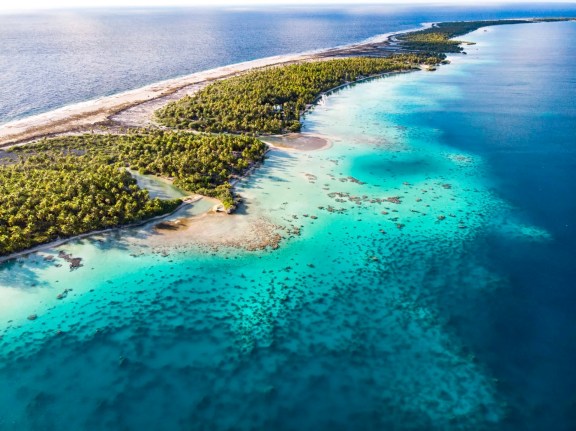
One of the names that defines the Tuamotus. Rangiroa brings immense scale, famous passes, strong diving appeal, and a charter atmosphere built around the lagoon and what moves through it.
Fakarava
Fakarava adds a more protected, more selective feel. Tahiti Tourisme highlights its UNESCO biosphere-reserve status, and that ecological character comes through clearly in the pace and tone of a good charter here.
Tikehau
A softer counterpoint to the more dive-famous atolls. Tikehau is about luminous lagoon color, sandbanks, and the kind of easy barefoot atmosphere that makes the Tuamotus feel less technical and more dreamlike.
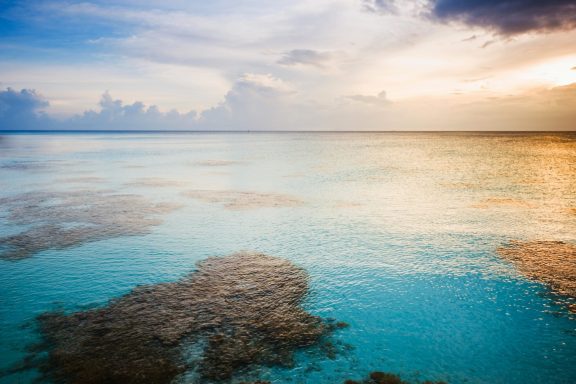
Motu Time Beyond The Big Names
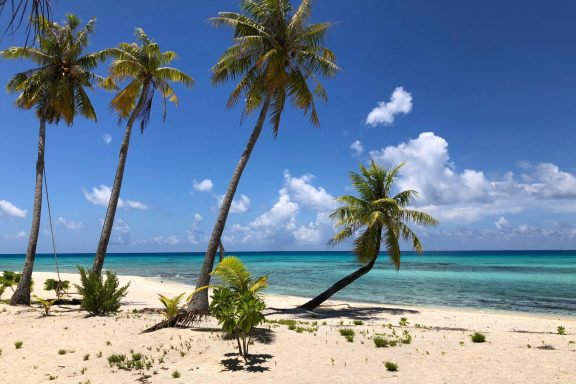
Some of the best hours in the Tuamotus are the simplest ones: a quiet anchorage, a private beach setup, a long swim off the stern, and a night sky with almost nothing competing for your attention.
How A Tuamotus Charter Usually Works
Most guests arrive internationally into Tahiti, then take a domestic flight onward to the right embarkation point. Tahiti Tourisme notes that regular flights from Papeete to the Tuamotus take about an hour and a half, with Fakarava itself a little over an hour from Tahiti. That practical flight layer is part of the charter logic here, and it is usually worth it.
Once you are onboard, the trip should feel more concentrated than a Society Islands charter. The best routes are usually built around one atoll or one tightly coherent operating zone, with the days shaped by tide, water conditions, and the balance between activity and stillness rather than by how many islands you can list afterwards.
Planning Realities
The Tuamotus are best for guests who genuinely want a water-based charter. If nobody in the group cares much about swimming, snorkeling, or diving, the destination loses some of its force. If they do, it becomes one of the most rewarding places in the South Pacific.
Provisioning and logistics are more limited than in the Society Islands, so choosing the right yacht and the right charter length matters more. This is also a destination where tide windows, current, and local knowledge can shape the day in very useful ways, especially around the passes.
For many guests the cleanest weather window is May through October, but the more important point is choosing a program that matches the group. Here, realism does not diminish the magic. It is what helps you get more of it.
Tuamotus Charter FAQ
Are the Tuamotus better than the Society Islands for diving?
Yes, usually. If diving is the main reason for the trip, the Tuamotus are generally the stronger choice because the region is built around passes, reefs, and marine life rather than around classic island-hopping.
That does not make them better for everyone. The Society Islands are still easier and more varied above the waterline. But for a dive-led charter brief, the Tuamotus are usually the sharper answer.
Do I need to be a diver to enjoy a Tuamotus charter?
No, but it helps if you are comfortable in the water and excited by a more marine-focused trip. Strong snorkeling, swimming, paddleboarding, and simply living around the lagoon can be enough to make the destination feel extraordinary.
If the group wants a broader mix of beaches, mountain scenery, and island variety, the Society Islands may still be the better all-round fit.
Should I choose Rangiroa or Fakarava?
Both are strong, but they create slightly different moods. Rangiroa often feels bigger and more open, with classic Tuamotus scale and very strong dive appeal. Fakarava feels more protected and more selective, with a particularly strong ecological identity.
We usually make that decision based on the group, the yacht, and whether the brief leans more toward diving intensity or a broader balance of remote-atoll time.
How many nights do I need in the Tuamotus?
Seven nights can work very well if the program stays focused. Ten nights is better for most guests because it gives the charter more breathing room and lets the destination feel immersive rather than efficient.
If the trip is dive-heavy or if you want a more remote-feeling charter with less compromise, fourteen nights starts to make real sense.
Is a catamaran or motor yacht better in the Tuamotus?
For most charters here, a crewed catamaran or power cat is the best fit. Shallow draft, stable deck space, and easy water access matter more in the Tuamotus than making a statement with the yacht profile alone.
A motor yacht can still work, but the better question is not which yacht sounds grander. It is which yacht makes this destination easier to enjoy properly.
Is this a good first French Polynesia charter?
It can be, but only for the right kind of first charter. If you already know you want a quieter, more remote, more water-led experience, the Tuamotus can be an excellent first choice.
If you are unsure and want the safest, broadest answer to a first trip, we usually start with the Society Islands and treat the Tuamotus as the more selective follow-up.


Planning A Tuamotus Charter?
Tell us whether the brief is Rangiroa for diving, Fakarava for a more protected-biosphere feel, or a quieter atoll program built around motu time and remoteness, and we will match the right yacht, routing, and charter length.
















 iMessage
 WhatsApp




































