Quick answer
- Best for most guests: the Inside Passage — sheltered water, dense wildlife, easy anchorages around Sitka, Juneau and Icy Strait.
- Choose the Gulf of Alaska if: you want big open-water fjords like College Fjord and Hubbard Glacier and your group is comfortable with real swell.
- Sea reality: the Gulf can throw 10 to 15 foot swells in normal conditions; the Inside Passage stays calm most days.
- Season: mid-May to mid-September only. Peak wildlife is June to August, with up to 18 hours of daylight near the solstice.
- Vessel: expedition or robust motor yacht, not a tropical swim-platform boat. This is a layered, cold-water charter.
- Two-thirds of Alaska cruisers pick the Inside Passage — and for good reason.
 Susannah Deehan, Charter Broker & CYBA Member at DMA Yachting
Inside Passage or Gulf of Alaska: the short verdict
For most guests, we recommend the Inside Passage. It gives you protected water, the highest wildlife density in the region, and short comfortable runs between anchorages around Sitka, Juneau and Icy Strait. We only build a charter around the Gulf of Alaska route when the group specifically wants the bigger, more exposed fjords — College Fjord’s 16 glaciers, Hubbard Glacier at the head of Yakutat Bay — and can handle open-water passages without anyone getting seasick.
The difference is not scenery quality. Both routes deliver tidewater glaciers, whales and wilderness. The difference is sea state, anchorage comfort and how much of your week is spent crossing open water versus threading calm channels. That is the fork that actually matters. See more of what we place clients on across our Alaska yacht charter options.



How the two routes compare
Here is the honest side-by-side. The Inside Passage is the calmer, more forgiving route; the Gulf trades comfort for scale and drama.
| Route | Best for | Not ideal for | Sea conditions |
|---|---|---|---|
| Inside Passage | Wildlife density, calm anchorages, families, first-time expedition guests | Guests chasing the single biggest fjord scenery | Sheltered channels, calm most days |
| Gulf of Alaska | College Fjord, Hubbard Glacier, big open-water landscapes | Anyone prone to seasickness or wanting settled anchorages | Open water; 10 to 15 ft swell possible in normal conditions |
 Chris de Kock, Charter Broker, Sales Broker, Active CYBA Member at DMA Yachting
The calmer, wildlife-first choice
Who the Inside Passage suits
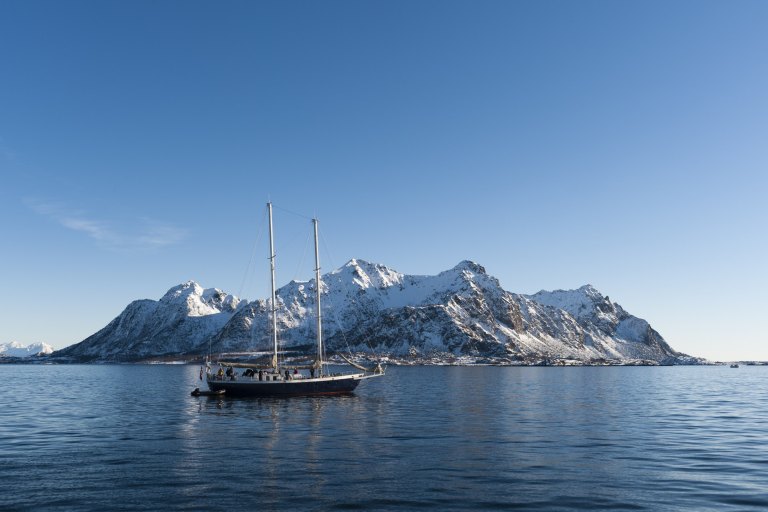
The Inside Passage is the classic Southeast Alaska route, running roughly 350 nautical miles from Ketchikan north toward Skagway through protected waterways and forested islands. This is where the wildlife density is highest — bald eagles, sea otters, puffins and bears from quiet anchorages, and humpbacks feeding off the bow around Glacier Bay.
We steer most first-time expedition guests here. Sitka and Juneau are the natural hubs, both easy to reach by flight, and the short runs between anchorages mean you spend your days watching wildlife and cruising Tracy Arm’s Sawyer Glaciers rather than pushing through swell. Icy Strait pairs neatly with Glacier Bay National Park for the big-landscape days without ever leaving sheltered water.

Who the Gulf of Alaska suits
The Gulf route is for guests who want the more dramatic, open-water fjords and are not fazed by real sea conditions. College Fjord alone has 16 glaciers lining its walls, and Hubbard Glacier — 6 miles wide at the head of Yakutat Bay — is Alaska’s longest tidewater glacier. Kenai Fjords and Prince William Sound belong to this side of the map too.
The tradeoff is exposure. Once you leave sheltered water, swells of 10 to 15 feet are normal in the Gulf, and that changes everything for guests onboard — meals, sleep, tender operations and comfort. We would not normally build this route for a family with young children or anyone who gets queasy. It works best for confident travelers who value the scenery scale over settled anchorages.
 Miles Froelicher, Charter Broker at DMA Yachting
The boat and the season matter more than the route
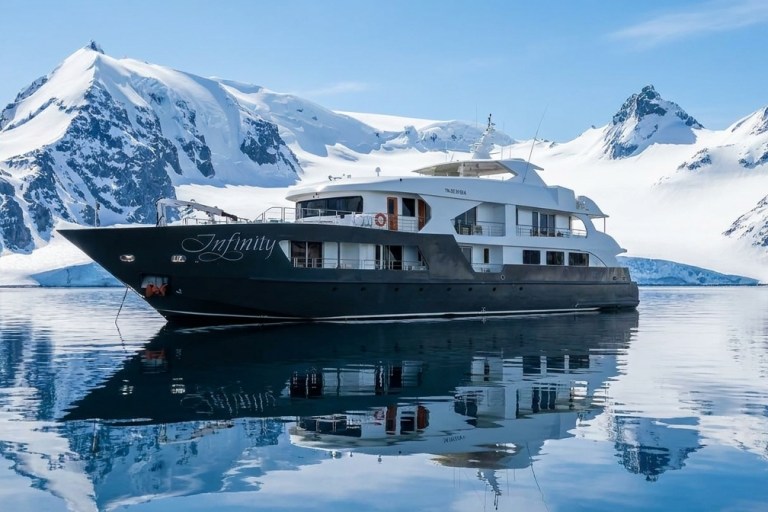
Both routes demand an expedition or robust motor yacht, not a tropical swim-platform boat. Alaska is a cold-water, layered experience — you want a good tender program for Zodiac cruising to glacier faces and ice floes, kayaks for quiet anchorage paddling, and a warm, comfortable interior for the evenings. Expedition motor yachts like the Infinity class are built exactly for this kind of remote, wildlife-led cruising.
The season is short and firm: mid-May to mid-September, with peak wildlife June to August. Near the solstice you get up to 18 hours of daylight, and summer temperatures run from about 45°F to 75°F. Outside that window the season is effectively closed. May and September rates run 30 to 50% below July — worth knowing if flexibility matters more than peak weather. Browse comparable vessels on our luxury yachts and yachts under $100k pages.
What a week actually costs
The industry floor for a crewed Alaska charter is around $50,000 per week. A well-equipped expedition motor yacht such as the 103ft Blackwood runs $80,000 per week in June or September and $85,000 in peak August — roughly $10,000 per person for a party of 8, all meals, crew and activities included.
Budget an extra 50 to 55% on top of the base rate once you add APA and gratuity. Motor yachts here commonly carry a 30 to 35% Advance Provisioning Allowance — a pre-funded budget the captain draws on for fuel, food, moorings and extras, with anything unspent returned to you. Crew gratuity of 15 to 20% is standard. So a $50,000 base becomes roughly $77,500 all-in. If you are weighing the whole picture, our yacht charter insights and best locations pages are a good next read.
FAQ
Is the Inside Passage or the Gulf of Alaska better for wildlife?
The Inside Passage. Its sheltered channels and calm anchorages around Sitka, Juneau and Icy Strait give the highest density of bald eagles, sea otters, bears and feeding humpbacks. The Gulf delivers bigger fjord scenery but not the same close, settled wildlife encounters.
How rough is the Gulf of Alaska for a charter?
Rougher than most guests expect. Swells of 10 to 15 feet are normal in exposed Gulf waters. If anyone in your group is prone to seasickness, we would keep you on the Inside Passage.
When is the best time to charter Alaska?
Mid-May to mid-September only. June to August is peak for wildlife and daylight, with up to 18 hours of light near the solstice. May and September are quieter and run 30 to 50% cheaper, at the cost of slightly cooler, less settled weather.
What kind of yacht do I need for Alaska?
An expedition or robust motor yacht with a proper tender and kayak program, and a warm, comfortable interior. This is cold-water, layered cruising — not a tropical swim-platform holiday. Any yacht over 65 feet also needs compulsory state pilotage.
Can one charter cover both routes?
Rarely in a single week, and we usually advise against forcing it. Combining them means repositioning across open water and eating into your best anchorage time. Pick the route that matches your group’s comfort level and do it well.
More yachts available in Alaska
Motor yachts
Catamarans
Expedition yachts
Plan Your Alaska Charter With Real Experts
Tell us how you like to travel and our charter team will hand-pick the right crewed yachts, dates and route — no obligation.
Our Top Alaska Recommendations
We put these shortlists together because most travellers don’t need to weigh up every yacht on the water — just the handful that consistently get this kind of trip right. Each guide below digs into the boats, the best months to go, and the trade-offs worth knowing before you book.




















 iMessage
 WhatsApp




































